What does a room actually cost in Ottawa in 2026? It depends almost entirely on where — a room a few minutes from the University of Ottawa and a room out in the suburbs can differ by hundreds of dollars a month, and the cheaper one isn't always the better deal once you count the commute and the utilities. This guide walks through the real 2026 ranges for renting a room, neighbourhood by neighbourhood, what drives the differences, and how to weigh price against commute. For context, the overall average rent in Ottawa sat around $2,150 a month in mid-2026 — but a room in a shared home is a fraction of that.
Prices below are researched 2026 ranges from listing platforms (Roomies, Kijiji, Zumper, Rentals.ca, PadMapper) and rent-research data; individual listings vary widely by condition, size, and what's included. Confirm current asking prices when you search.
Sandy Hill: closest to uOttawa
Sandy Hill borders the University of Ottawa campus, which makes it the default choice for main-campus students — and, encouragingly, it's one of central Ottawa's more reasonably priced neighbourhoods. Room prices typically run $700 to $1,300 a month, with furnished rooms (some with a private ensuite bathroom) commonly listed around $780 to $1,000. You pay a slight premium for walkability to class, but you save on transit and, crucially, on the daily winter commute. If proximity to uOttawa is your priority, this is where most searches start.
Centretown & Downtown: urban core
West of the canal, Centretown is downtown Ottawa proper — dense with restaurants, transit and nightlife, walking distance to Parliament. Rooms here range widely, roughly $680 to $1,175 a month, depending on the building and what's included. It suits students who want a true urban feel and don't mind a slightly longer commute to uOttawa (about 15-25 minutes on foot or a short O-Train ride). Whole-apartment rents downtown run higher, but shared rooms remain competitive.
ByWard Market & Lowertown: in the middle of the action
Just north of uOttawa, the ByWard Market is Ottawa's food-and-nightlife core. Living here means being steps from the energy — great if you value convenience and social life, less ideal for quiet study nights. Apartment-level rents here are among the city's highest (the average apartment in the ByWard Market area was around $2,290 a month in 2026, up sharply year-over-year), which pushes shared-room prices toward the upper end of the central range. Expect to pay for the location.
Vanier: value close to downtown
East of the Rideau River, Vanier offers some of the more affordable rooms near the core. Listings commonly run about $730 to $1,050 a month, and it's a short hop to downtown and uOttawa by bus or bike. It's a practical choice for students prioritising price while staying reasonably central — just check transit connections and, as always, what utilities are included.
Old Ottawa South & the Glebe: quieter, pricier, Carleton-leaning
South of the canal toward Carleton University, Old Ottawa South and the Glebe are quieter, well-loved residential neighbourhoods that appeal to graduate students and anyone wanting a calmer feel. They price higher — one-bedroom apartments in Old Ottawa South averaged around $1,795 a month in 2026 — so individual rooms sit at the upper end of the market. These areas are better positioned for Carleton than uOttawa, often meaning transit or a bike to the uOttawa campus.
Nepean & the suburbs: cheapest rooms, longest commute
Out in Nepean and Ottawa's other suburban areas, rooms are generally the cheapest in the city — but you trade that saving for the longest commutes, usually a real transit dependency of 30-45+ minutes to uOttawa. For a car-owning student or someone with placements out that way, it can pencil out. For a student attending class downtown daily through an Ottawa winter, the commute cost — in money and time — often erases the rent saving.
What drives the price differences
Three factors explain most of the variation:
- Proximity to campus and downtown. The closer you are to uOttawa and the core, the higher the floor — Sandy Hill, Centretown and ByWard command more than the suburbs.
- What's included. A room where heat, hydro, water and internet are all included can be a better deal than a cheaper room where you split unpredictable bills — and Ottawa's winter heating costs are real.
- Furnished vs unfurnished, and privacy. A furnished room, or one with a private ensuite bathroom, costs more than a bare room with a shared bath.
Utilities included vs not: the hidden variable
This is the number that catches students out. A "$850 all-inclusive" room can genuinely cost less than an "$800 plus utilities" room once an Ottawa winter's heating is counted — a solo apartment's utilities can add $250+/month, and even a split share climbs in the coldest months. Always ask: which utilities and internet are included, and what does a typical January bill look like? Compare rooms on the total monthly cost, not the advertised rent.
Price vs commute: the trade-off table
| Neighbourhood | Typical room range (2026) | Commute to uOttawa | Best for |
|---|---|---|---|
| Sandy Hill | $700-$1,300 | 5-15 min walk | uOttawa students who want walkability |
| Centretown / Downtown | $680-$1,175 | 15-25 min walk / short O-Train | Urban feel, nightlife |
| ByWard / Lowertown | upper central range | 5-15 min walk | Being in the middle of everything |
| Vanier | $730-$1,050 | short bus / bike | Value close to the core |
| Old Ottawa South / Glebe | upper end (1BR ~$1,795) | transit / bike | Quiet; Carleton-leaning grads |
| Nepean / suburbs | cheapest rooms | 30-45+ min transit | Lowest rent, car owners |
Timing matters for room prices too
Room prices in Ottawa aren't static through the year. Demand — and therefore price — firms up through the spring and summer as students lock in for September, then softens a little for hard-to-fill rooms as term begins and landlords want to avoid an empty month. If your schedule is flexible, a room advertised in late summer for an immediate move-in can occasionally be negotiable. But that flexibility cuts both ways: the best rooms in the best locations are gone by then, so you're negotiating on the leftovers. As with the wider housing market, earlier searching buys better choice; later searching sometimes buys a small discount on a weaker option.
The bigger picture: room vs your own space
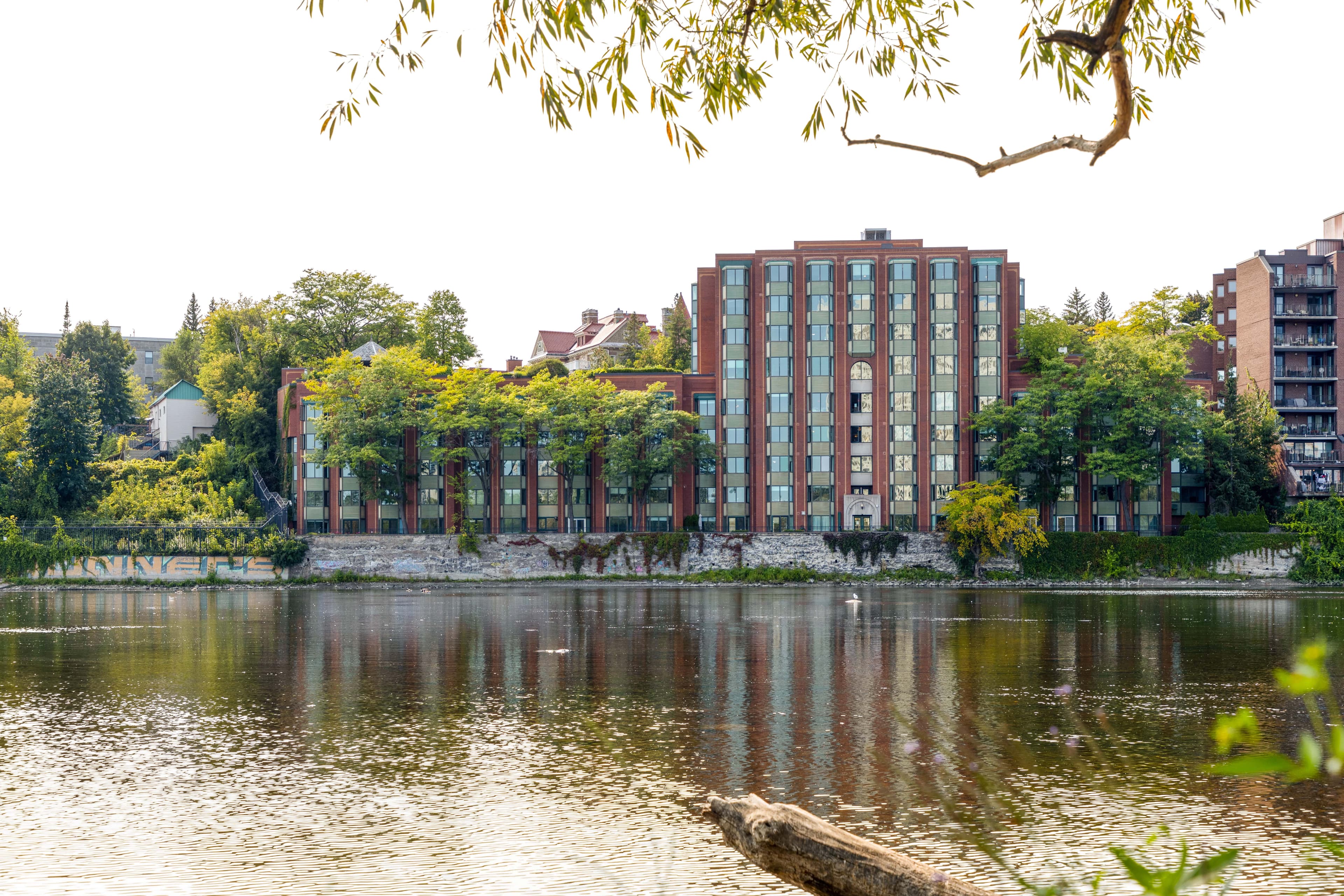
A room in a shared house is the lowest sticker price in almost every neighbourhood — but the total cost climbs once you add utilities, and the non-money costs (shared kitchen and bathroom, the roommate lottery, less study quiet) are real. For students who'd rather have their own space, a self-contained furnished studio folds furniture, in-suite laundry and one predictable price into a single number. Riverflow Residences in Sandy Hill rents furnished studios and one-bedrooms — not shared rooms — from $1,400 a month, a 7-minute walk from uOttawa, for students who want privacy over the lowest possible rent. Whichever route fits your budget and temperament, compare the true monthly total, and weigh the commute alongside the rent — in Ottawa, the two are inseparable.
Riverflow Residences welcomes all students and residents, in full compliance with the Ontario Human Rights Code. Prices cited are researched 2026 market ranges; confirm current listings when you search.