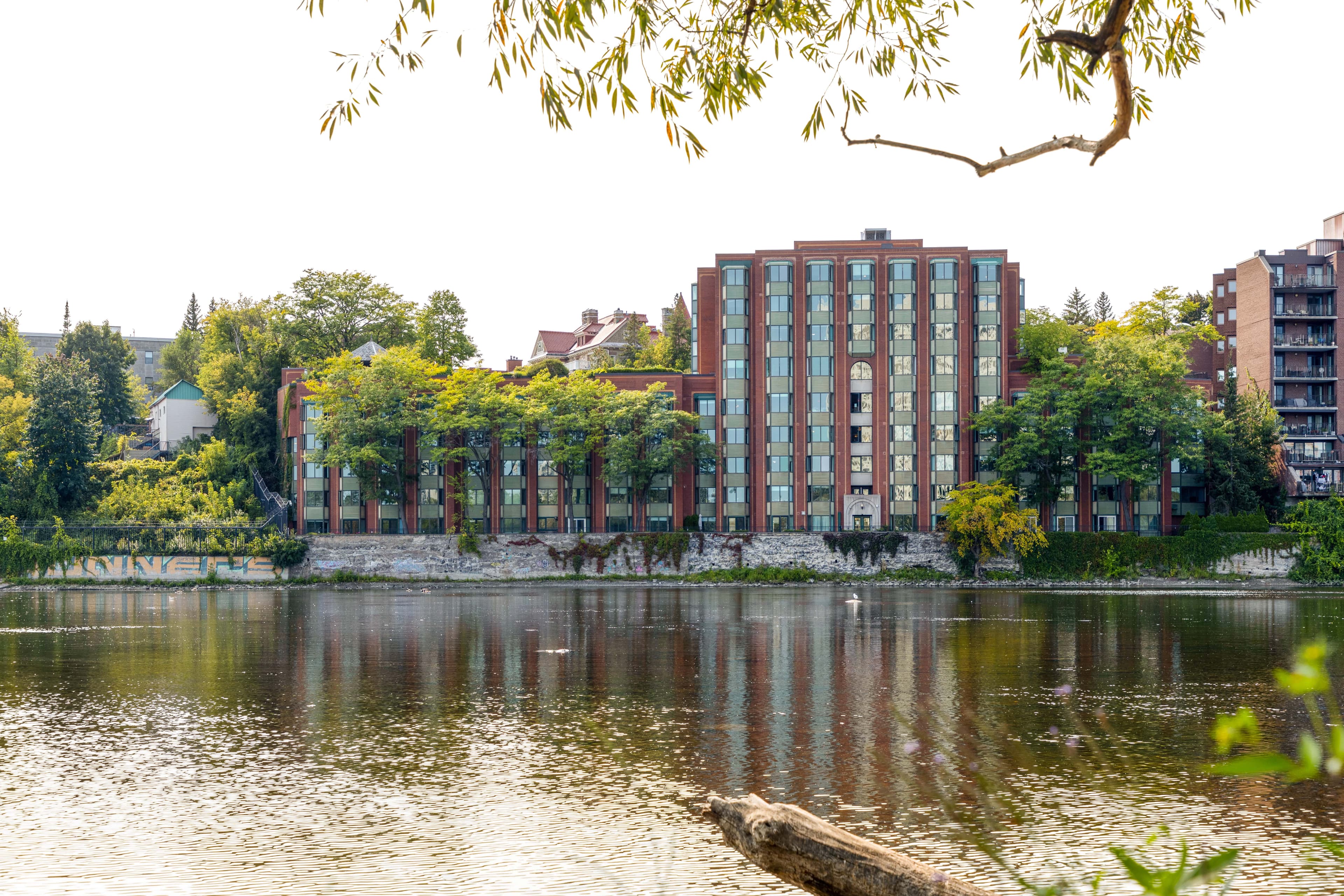
The sticker prices make this look like an easy call. A room near uOttawa lists at $850; a furnished studio lists at $1,400. The room is obviously cheaper — right? Not so fast. The advertised rent is only the start of what you actually pay, and once you add the lines a room triggers and a furnished studio absorbs, the gap narrows more than most students expect. This post works a single, honest monthly example end to end, so you can see the total cost of each, not the headline. (For the broader privacy-and-lifestyle case beyond the money, see the private studio vs shared room in Ottawa pillar — this post is purely the arithmetic.)
The rule: compare totals, not rents
Here's the trap. A room's advertised price almost never includes everything, while a furnished studio's price folds several costs into one number. Comparing the two headline rents is comparing an incomplete number to a more complete one. To compare fairly, you have to build both up to the same all-in monthly figure.
So let's do exactly that, with real 2026 Ottawa numbers.
The worked example
We'll take a representative student choosing between a typical Sandy Hill room and a furnished studio, both within walking distance of uOttawa, for an eight-month academic year. Full-time students have the U-Pass bundled into ancillary fees, so transit is a wash between the two — we'll note it but not double-count it.
Option A: a room in a shared house — $850/month advertised
| Line item | Monthly cost | Notes |
|---|---|---|
| Rent | $850 | Middle of the Sandy Hill room market ($650-$980 typical) |
| Utilities (heat, hydro, water) | $35 | Split across a house of four or five; higher in winter months |
| Internet | $25 | Split share of an $80-$95 household plan |
| Furniture (amortised) | $60 | A bed, desk and chair bought for an 8-month stay, spread across the term |
| Laundry | $25 | Coin/card laundry where not in-unit |
| All-in monthly total | ~$995 |
The $850 room is really a ~$995 room once you count what the rent didn't include. And that's before the non-money costs: a shared kitchen and bathroom, the roommate lottery, less study quiet, and the furniture you have to buy in September and dispose of in April.
Option B: a furnished studio — $1,400/month
| Line item | Monthly cost | Notes |
|---|---|---|
| Rent | $1,400 | Riverflow Studio Jr tier as a market reference |
| Utilities | confirm on tour | Ask exactly which utilities are included; slot the real figure in |
| Internet | often bundled — confirm | Frequently included in furnished residences; confirm |
| Furniture | $0 | Furnished — nothing to buy or dispose of |
| Laundry | $0 | In-suite laundry where available |
| All-in monthly total | ~$1,400 + any un-bundled utilities |
Because furniture and (often) laundry and internet are already inside the studio's number, its all-in figure barely moves from the sticker — the opposite of the room, whose all-in figure climbs well above it.
The real gap
Stack them up. The room's true cost is about $995 a month; the studio's is about $1,400 plus whatever utilities aren't bundled. The headline gap was $550 ($1,400 minus $850). The all-in gap is closer to $400, and shrinks further if the studio bundles utilities and internet.
Over an eight-month year, a $400 monthly difference is about $3,200 — real money, and for many students the decisive factor. The room genuinely is cheaper. But it's cheaper by less than the sticker suggested, and the saving buys a specific set of trade-offs: shared space, shared bathroom, roommates you didn't choose, and a furniture cycle you manage yourself.
What the extra ~$400 buys
This is the honest heart of the decision. For roughly $400 more a month, the studio delivers:
- Your own kitchen and bathroom — no sharing, no queue, no cleaning rota disputes.
- Genuine privacy and study quiet — your own space to work in an exam-heavy year.
- Zero furniture hassle — nothing to buy in September, nothing to sell in April.
- One predictable number — no splitting variable winter utility bills with housemates.
- No roommate lottery — the single biggest source of student-housing regret.
Whether that's worth $400 a month is genuinely personal. A student optimising hard for the lowest possible spend should take the room — the arithmetic favours it, and this breakdown is how you make sure you're paying a fair $995 and not an inflated one. A student who values privacy, quiet and simplicity, and can stretch to it, gets a lot of life quality for that $500.
Where the two markets actually meet
One more thing the numbers reveal. A premium room — furnished, private ensuite, all-inclusive, minutes from campus — can list at $1,150-$1,300. Add nothing (it's already all-in) and it still lands within a few hundred dollars of a studio. At that top of the room market, the room's only advantage — its low price — has mostly evaporated, and you're paying near-studio money for a bedroom in someone else's house. If you find yourself weighing a $1,250 premium room, price it directly against a self-contained studio before you sign.
That's the comparison Riverflow Residences is built for — and to be plain, Riverflow doesn't rent rooms; it rents self-contained furnished studios and one-bedrooms from $1,400 at 550 Wilbrod Street, a 7-minute walk from uOttawa, with your own kitchen, bathroom and in-suite laundry. For a student anchored around $850, a room is the better-value fit and this breakdown helps you find a fair one; for a student weighing a premium room near $1,300, the studio is the honest alternative to price against.
Run your own version of the table above with the actual listings in front of you. The students who overpay aren't the ones who chose a studio or a room — they're the ones who compared a headline rent to an all-in rent and never noticed.
Riverflow Residences welcomes all students and residents, in full compliance with the Ontario Human Rights Code. Figures are researched 2026 market ranges; individual listings and utility costs vary — confirm current numbers when you search.