Renting a room in Ottawa is the fastest, most affordable way to get settled near the University of Ottawa, Carleton or downtown — but doing it safely and well takes a bit of method. Between open classifieds full of unverified listings, the difference between a real lease and an informal arrangement, and Ontario's specific rules on deposits and roommates, there's more to get right than "find a room, pay, move in." This guide walks the whole process step by step: where to search, how to view a room without getting scammed, exactly what to ask, what you're actually signing under Ontario law, how deposits and guarantors work, and a move-in checklist — plus an honest note on when a private studio is the better call.
We run Riverflow Residences, a furnished residence in Sandy Hill. We don't rent rooms, so this is a genuinely neutral how-to, not a listings page. If you'd rather step back first and survey the whole market — room types, neighbourhood prices and seasonality — start with our Ottawa room rental market guide, then come back here for the process.
Step 1 — Set your budget and your must-haves
Before you open a single listing, decide two things.
Your true monthly budget. A room's rent is not its cost. Add your share of utilities (in Ottawa shared houses that's commonly $20–$50 a month, more in winter if heat isn't included), internet, and a transit pass if the room isn't walkable to where you need to be. Build the all-in number, then shop against it.
Your non-negotiables. Private bathroom or shared? Furnished or not? Quiet for study, or social? How close to campus? A lease length that matches your term? Writing these down turns an overwhelming feed of listings into a short, sane shortlist — and stops you talking yourself into the wrong room because the price looked good.
Step 2 — Where to search
Ottawa rooms surface across several channels, each with a different risk profile:
- Classifieds (Kijiji, Craigslist). The biggest volume and the highest risk — these sites don't verify who's posting, which is exactly why scams cluster here. Use them, but with your guard up.
- Roommate and room platforms (Roomies.ca, HappyRoommate, roommate-matching sites). Built for the job, but quality varies and some listings go unmonitored — treat them like classifieds, not a guarantee.
- Verified rental platforms (Rentals.ca, PadMapper, Zumper). Some require landlords to confirm their identity before posting, which lowers the scam rate.
- University of Ottawa off-campus housing resources. The university lists off-campus options and — importantly — publishes a housing-scams page, so it's a good place to start for both listings and safety.
- Word of mouth and student groups. Faculty associations, student unions and program chats often surface rooms before they hit the open market.
Spread your search across a few of these rather than betting on one, and verify every listing independently no matter how legitimate the platform looks.
Step 3 — How to view a room safely
This is the step that protects your money. The rules are simple and non-negotiable:
- See the actual room. In person is best. If you're booking from another city or country, insist on a live video walkthrough — not just photos, which can be lifted from other listings. A real landlord can always show you the space live.
- Never wire money to "hold" a room you haven't verified. The classic Ottawa scam is an "out-of-country landlord" who wants an e-transfer or wire before you can see anything. That's the scam, almost every time.
- Don't pay on the spot at a first showing. Some scammers show a property they don't actually control, then pressure an immediate deposit. Legitimate landlords give you time.
- Verify the address and the person. Check the street address on a map, search the landlord's name and phone number, and confirm the property is real. Because you should know the market before you view, our room rental market guide gives you the honest neighbourhood price ranges so you can spot a too-good-to-be-true listing instantly.
- Trust the too-good-to-be-true instinct. A furnished central room far below market is bait, full stop.
If anything feels rushed or evasive, walk away — there's always another room.
Step 4 — What to ask before you commit
Good questions separate a great room from a semester-wrecking one. Ask directly:
- Exactly what's included? Furniture, which utilities, internet — and what a typical winter month's utility share actually costs.
- Who are the other housemates? Can you meet them before committing? You're inheriting their noise, cleanliness, guests and payment habits.
- What's the lease term, and what happens if you leave early? Does it match your school year, or is it a 12-month commitment against an 8-month program?
- How is the deposit handled? (See Step 6 — Ontario caps it.)
- Who handles repairs, and how fast? A slow or absent landlord makes for a long year.
- Is the bathroom shared, and with how many people? The single biggest daily-life variable in a shared house.
Vague or evasive answers are themselves an answer. Get the important terms in writing.
Step 5 — Lease vs licence: what you're actually signing in Ontario
This is the part most room renters don't understand, and it matters. In Ontario, whether you're protected by the Residential Tenancies Act (RTA) depends on the true nature of your arrangement — not on what the agreement is called.
- You're generally covered by the RTA if you rent a bedroom and share the kitchen or bathroom with other tenants who each have their own lease with the landlord. That gives you the province's tenant protections — regulated rent increases, a legal eviction process, deposit limits.
- You're generally NOT covered by the RTA if you share a kitchen or bathroom with your landlord, with a member of the landlord's immediate family who lives in the building, or with the lead tenant you're renting the room from. These "licence" arrangements fall outside the RTA — you can't go to the Landlord and Tenant Board, though you can still pursue a breach of contract in court.
A crucial nuance: calling you a "roommate," "occupant" or "licensee" on paper does not automatically strip your RTA rights — the Landlord and Tenant Board looks at the real arrangement, not the label. And the landlord-sharing exemption only applies if the landlord was living there before you moved in. If you think you've been wrongly labelled exempt, you can file Form A1 with the Landlord and Tenant Board to have your status decided.
The practical takeaway: before you sign, work out who you'll be sharing a kitchen and bath with — another tenant on their own lease (RTA likely applies) or the landlord or lead tenant (RTA likely doesn't). It changes your rights completely, and you want to know before, not after. When a term confuses you, the Landlord and Tenant Board and uOttawa's student services can point you to plain-language explanations before you commit.
Step 6 — Deposits, guarantors and paperwork
The deposit rule. In Ontario, a landlord can legally require a rent deposit of at most one month's rent, and it must be applied to your last month of tenancy — not held as a damage deposit, which isn't permitted. If a room listing demands two or three months upfront, or a non-refundable "damage" or "cleaning" deposit, treat it as a red flag.
Guarantors and credit. Many Ottawa landlords ask for a guarantor — a co-signer, often a parent, who covers the rent if you can't — especially if you don't yet have a Canadian credit history. If you can't provide one, some landlords accept proof of funds (bank statements) or a larger advance of rent instead. Not having a Canadian credit score is completely normal for students and newcomers and does not make you un-rentable.
The paperwork to have ready. Photo ID, proof of enrolment or a job offer letter, proof of funds or a guarantor's details, and — for international students — your passport and study permit. Having these ready makes you a faster, more credible applicant in a competitive market.
Get it in writing. Your rent, what's included, the deposit, move-in date and term should all be documented before money changes hands. Verbal promises about utilities or repairs are hard to enforce later.
Step 7 — Your move-in checklist
Before and on move-in day:
- Document the room's condition. Dated photos and video of any existing damage, so you're not blamed for it later.
- Confirm what's provided. Test that furniture, appliances, heat, hot water and Wi-Fi actually work.
- Sort keys and access — building entry, room key, mailbox.
- Exchange contact details with the landlord and housemates, and agree how utility shares get split and paid.
- Keep every record — signed agreement, deposit receipt and all messages — in one place.
- Set up the essentials — a Canadian bank account, phone plan and transit pass if you don't have them yet.
A calm, documented move-in prevents most of the disputes that sour shared-house living.
Step 8 — living well as a housemate (and knowing your ongoing rights)
Signing the agreement isn't the finish line — a shared house works or fails on the months after move-in. Two things keep it smooth. First, the housemate basics: pay your share on time, split bills transparently, agree early on cleaning, guests and quiet hours, and raise small frictions before they become semester-long resentments. A single housemate who stops paying their utility share can quietly become everyone's problem, so keep shared costs documented and settled promptly.
Second, keep your rights in view. If your arrangement is RTA-covered (see Step 5), your rent can only be raised once every 12 months by the provincial guideline with proper written notice, you can't be evicted informally, and your deposit is capped and applied to your last month. If it's a licence arrangement, those protections may not apply — which is all the more reason to keep every agreement and payment in writing so you can enforce the contract itself if you ever need to. Knowing which situation you're in, and holding the paperwork to prove it, is what turns a cheap room into a genuinely good one.
When to consider a private studio instead
Renting a room is the right move for a lot of people — lowest cost, flexible, social. But it isn't always the cheapest or the best once you add everything up. If you find yourself weighing a further-out room plus a utilities share plus a bus pass, or you know you need quiet to study, or the roommate lottery isn't a risk you want to take, a private self-contained studio can be closer in true cost than the sticker prices suggest — and it removes the shared-bathroom, shared-kitchen and roommate variables entirely.
We lay out that dollar-by-dollar comparison in private studio vs shared room in Ottawa. It's the honest read on when a room wins and when a studio does — worth five minutes before you commit to either.
Where Riverflow Residences fits
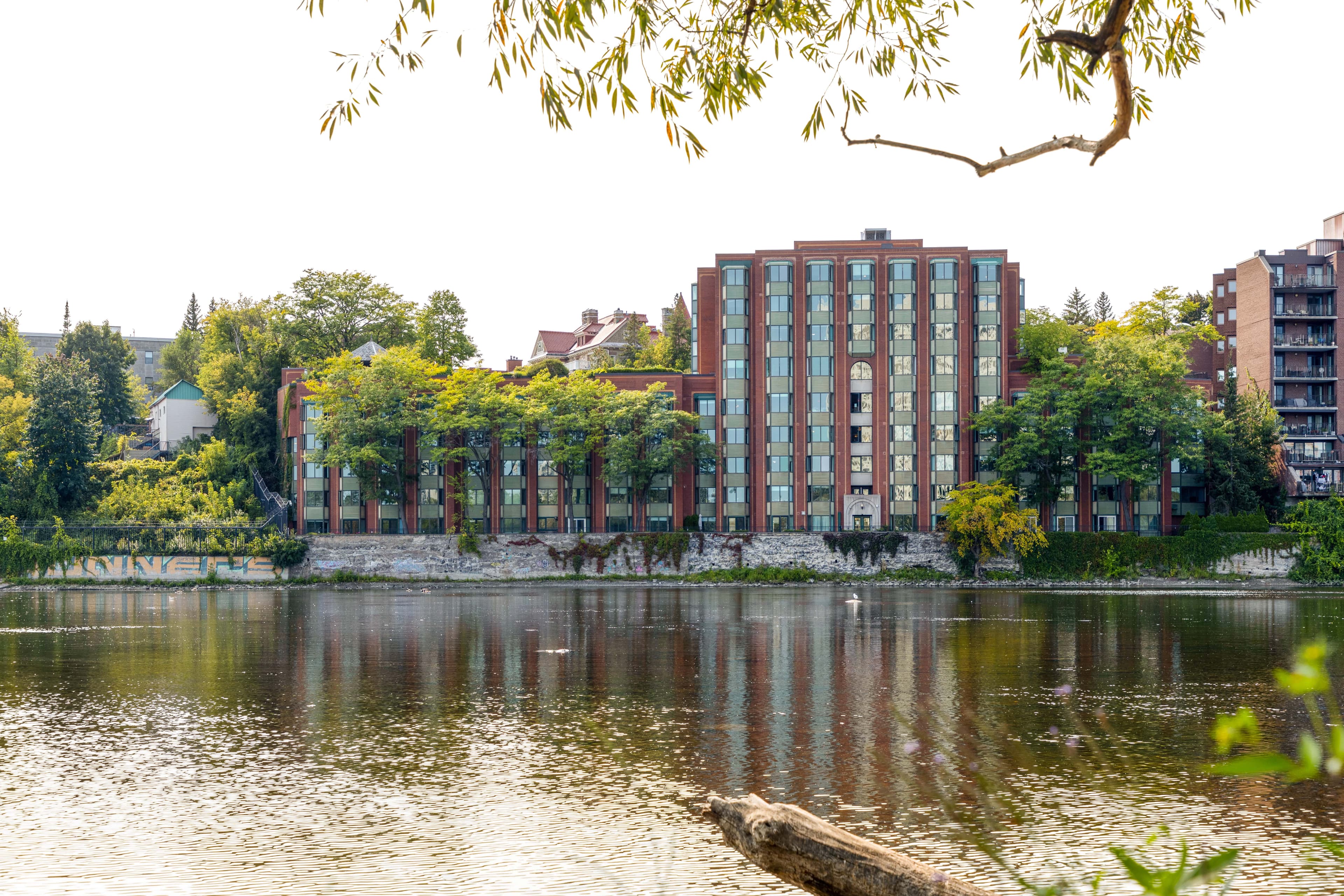
If, after all that, you decide you'd rather skip the shared house entirely, here's the alternative. Riverflow Residences is a premium furnished residence at 550 Wilbrod Street in Sandy Hill — a 7-minute walk to the University of Ottawa. We don't rent rooms; every suite is a self-contained furnished studio or one-bedroom with its own kitchen and bathroom, in-suite laundry, secure entry, and amenities like a rooftop terrace and penthouse lounge, from $1,400 a month. No housemates, no roommate lottery, no shared bathroom.
Rent a room well with this guide — or, when you're ready for your own place, explore the student housing options, compare the studio tiers, or book a tour.
Riverflow Residences welcomes all students and residents. We rent self-contained studios and one-bedroom suites — not individual rooms — on the basis of housing fit and availability, in full compliance with the Ontario Human Rights Code. This guide is general information, not legal advice; confirm your rights with the Landlord and Tenant Board before signing.