Booking accommodation before you arrive
If you're moving to Ottawa to study — especially from another country — arranging accommodation is the thing that has to work before anything else does. You may be booking a place you've never seen, in a city you've never visited, before you've even landed. This guide is written for exactly that situation: how to secure student accommodation in Ottawa with confidence, what documents you'll need to rent in Ontario, how to handle arrival, and why furnished, all-inclusive options make the whole thing simpler.
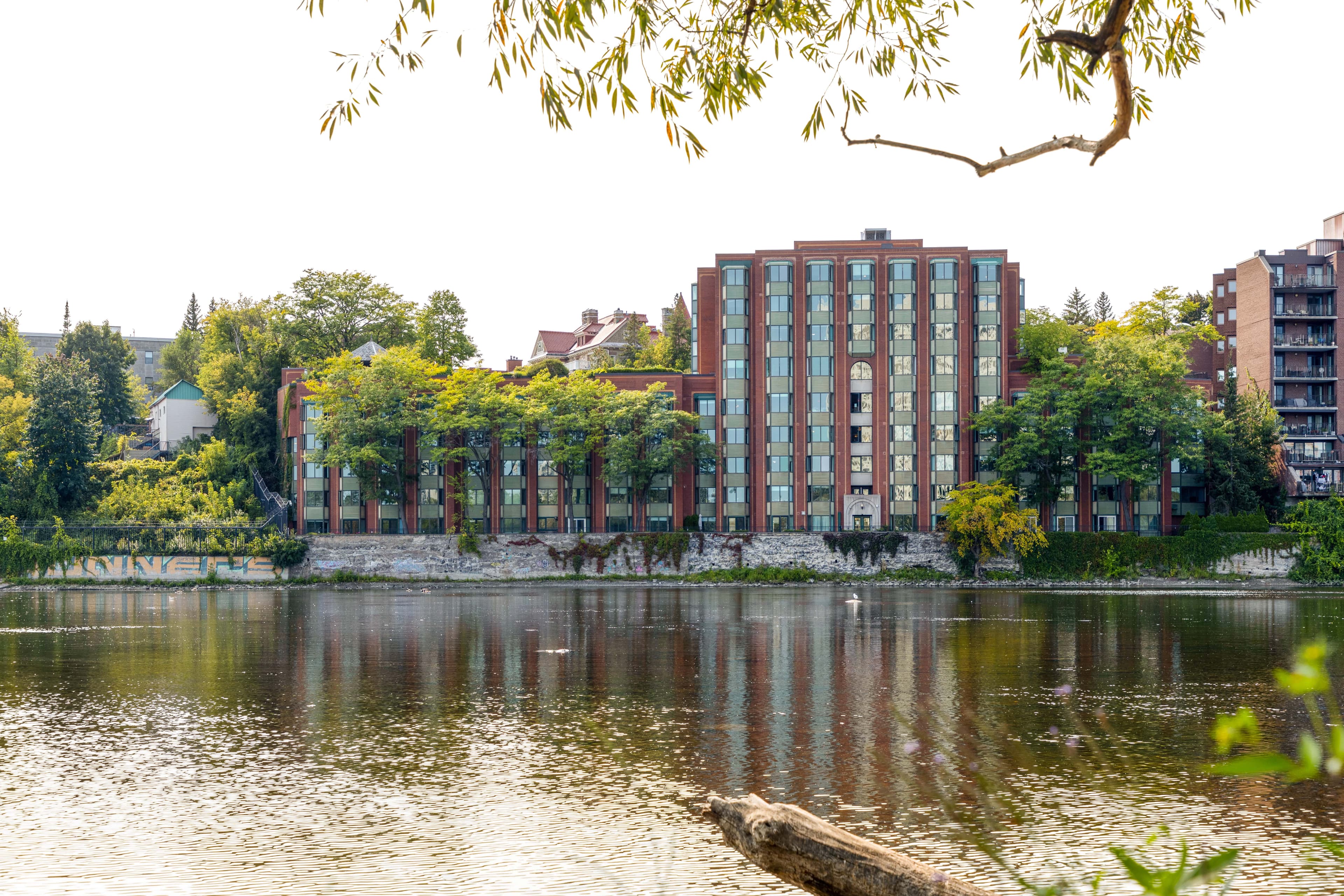
We operate Riverflow Residences, a furnished residence a 7-minute walk from the University of Ottawa, so we help arriving students settle in every term. This guide is genuinely useful whether or not you choose us.
Most international and out-of-province students book their Ottawa accommodation remotely — before they have a chance to visit. That's normal and completely workable, provided you take a few sensible precautions:
- Book with a real, verifiable property. Confirm the street address exists, look it up on a map, and check that the operator has a genuine website, a working phone number and reviews. A purpose-built residence with a fixed address is far safer than an informal sublet arranged over messaging apps.
- Ask for a virtual tour. Any credible operator can walk you through a suite or a floor plan over video, or provide a photo gallery and a video. If someone refuses to show you the actual space, treat it as a warning sign. You can view ours in the gallery.
- Understand the deposit rules before you pay. In Ontario, a landlord may legally collect a rent deposit of at most one month's rent, and it must go toward your last month — it is not a damage deposit. Be very cautious of anyone demanding several months of 'damage deposit' upfront to hold a place sight-unseen.
- Get the terms in writing. Your monthly price, what's included, your move-in date and your lease length should all be documented before money changes hands.
Furnished, all-inclusive accommodation removes much of the sight-unseen risk. When a residence is professionally managed and everything is set up before you arrive, there are fewer unknowns to gamble on.
Why furnished and all-inclusive matters when you're arriving
When you're flying in — possibly with two suitcases and a study permit — the last thing you want is to land in an empty apartment with no bed. Furnished accommodation solves the arrival problem:
- Nothing to buy or ship. No mattress, no desk, no shipping a container of furniture across an ocean. A furnished suite is ready to live in on day one.
- One predictable price. A single monthly figure is far easier to budget from abroad than a low rent plus separate, unfamiliar Canadian utility and internet accounts you'd have to set up yourself. (Confirm exactly which utilities are included when you book — always ask.)
- Move-in ready from the airport. You can arrive, drop your bags, and start your programme instead of spending your first week furniture shopping.
At Riverflow, every suite is a self-contained furnished studio or one-bedroom — your own kitchen and bathroom, in-suite laundry, and a bed you can sleep in the night you arrive. Prices run from $1,400 for a Studio Jr to $1,920 for a one-bedroom per month.
Documents you need to rent in Ontario as an international student
Ontario landlords will typically ask for some combination of the following. Having these ready speeds everything up:
- Passport and study permit — your core identification.
- Proof of enrolment / acceptance — a letter from the University of Ottawa or your institution confirming you're a student.
- Proof of funds — recent bank statements or evidence you can cover the rent. Because you likely won't have a Canadian credit history yet, landlords use this instead.
- A guarantor (sometimes) — a co-signer, often a parent, who agrees to cover the rent if you can't. Landlords who ask for one typically want a guarantor with strong income and credit. If you can't provide a guarantor, some operators accept additional proof of funds or a larger prepayment of rent instead.
A key reassurance: not having a Canadian credit score does not make you un-rentable. It's the single most common concern arriving students raise, and it's routine. Purpose-built student residences are used to renting to international students and are generally more flexible on documentation than a private landlord renting out a single condo. When you enquire, just ask directly what they need from an international student — a good operator will have a clear answer.
Arrival logistics: getting from the airport to Sandy Hill
Ottawa Macdonald-Cartier International Airport (YOW) is about 15 kilometres south of downtown. From the airport to the Sandy Hill / University of Ottawa area you have a few options: a taxi or rideshare (the simplest with luggage, roughly 20-25 minutes), or public transit via bus connecting to the O-Train. Once you're in Sandy Hill, the University of Ottawa campus is walkable — from Riverflow at 550 Wilbrod Street it's a 7-minute walk to campus, which means in your first week you can get to your faculty, the international office and the essentials on foot.
University of Ottawa resources for arriving students
The University of Ottawa runs an International Office that supports incoming and exchange students with orientation, immigration questions and settling in. Before you arrive, it's worth:
- Contacting the uOttawa International Office for their incoming-student checklist and orientation dates.
- Reviewing the university's own off-campus housing resources for verified listings.
- Connecting with any exchange or study-abroad coordinator named in your acceptance materials.
These official channels are the safest starting point for anything immigration- or enrolment-related, and they often flag housing scams to avoid. Our international student's guide to renting in Ottawa pulls the practical housing pieces together in one place.
Avoiding rental scams when booking from abroad
Booking sight-unseen makes you a target for scams, so a little caution goes a long way. The warning signs are consistent:
- A price that's too good to be true. A beautiful central apartment far below market rent is bait. Learn the real ranges first — central Ottawa studios sit near a $1,450 median, so a "$700 furnished downtown studio" is almost certainly fake.
- Pressure to pay immediately via untraceable methods. Requests for wire transfers, gift cards or cryptocurrency to "hold" a place are a scam signature. Legitimate operators use documented, traceable payment and a signed agreement.
- A "landlord" who can't show the unit. If someone claims to be travelling and can't arrange a video walkthrough or have a colleague show the space, stop.
- No verifiable identity or address. Confirm the street address on a map, check the operator has a real website and phone number, and search their name for reviews and complaints.
Professionally-managed residences with a fixed address, a public website and a real leasing team are the safest way to book from abroad precisely because there's a verifiable organisation standing behind the lease.
Setting up your first weeks in Ottawa
Accommodation is step one, but arriving students also need to get set up. A quick checklist for your first two weeks:
- Banking. Open a Canadian bank account — most major banks have student accounts and branches near campus. You'll need it for rent, phone and daily life.
- Phone. A Canadian SIM or plan makes everything easier, from leasing communications to transit apps.
- Health coverage. International students at the University of Ottawa are typically enrolled in a health insurance plan; confirm your coverage and how to use it through the university.
- Transit. Set up an OC Transpo pass if you'll use transit, and download the trip-planning app.
- Groceries and essentials. Living within walking distance of shops and a grocery store — as you are in Sandy Hill and the ByWard Market area — makes settling in far smoother without a car.
A furnished residence quietly helps with all of this: because your home is already set up, your energy in week one goes to banking, enrolment and orientation instead of assembling flat-pack furniture.
Budgeting in Canadian dollars
From abroad, it's easy to underestimate the full monthly cost of living in Ottawa. Beyond rent, budget for food (cooking for yourself is far cheaper than eating out), a phone plan, transit if needed, and personal expenses. This is another quiet advantage of an all-inclusive furnished residence with a single monthly price: it makes budgeting predictable in a currency and cost environment you're still learning. When you compare options, ask each operator for the true monthly total — rent plus any separate utilities or fees — so you're comparing like for like.
Term dates and lease length
One detail that trips up arriving students: standard Ontario apartment leases run 12 months, but the academic year is shorter. If your programme runs September to April, a 12-month lease means paying for months you may not be in Ottawa. Look for accommodation that offers academic-term leases aligned to the school year — see our flexible student lease terms — or confirm you're comfortable with a full-year commitment before signing. Matching your lease to your programme is one of the easiest ways to avoid wasting money.
Booking student accommodation in Ottawa with Riverflow
If a furnished, all-inclusive, move-in-ready residence within walking distance of the University of Ottawa is what you're after, Riverflow Residences is built for arriving students. Self-contained furnished studios and one-bedrooms, a 7-minute walk to campus, secure entry, in-suite laundry, and a management team used to welcoming international students each term. You can book remotely, tour virtually, and arrive to a home that's already set up.
Start with our student accommodation options, view the gallery, read resident reviews, or request a tour or virtual walkthrough.
Riverflow Residences welcomes students of every background. We rent on the basis of housing fit and availability, in full compliance with the Ontario Human Rights Code. 'International student' here describes study status and arrival logistics only.