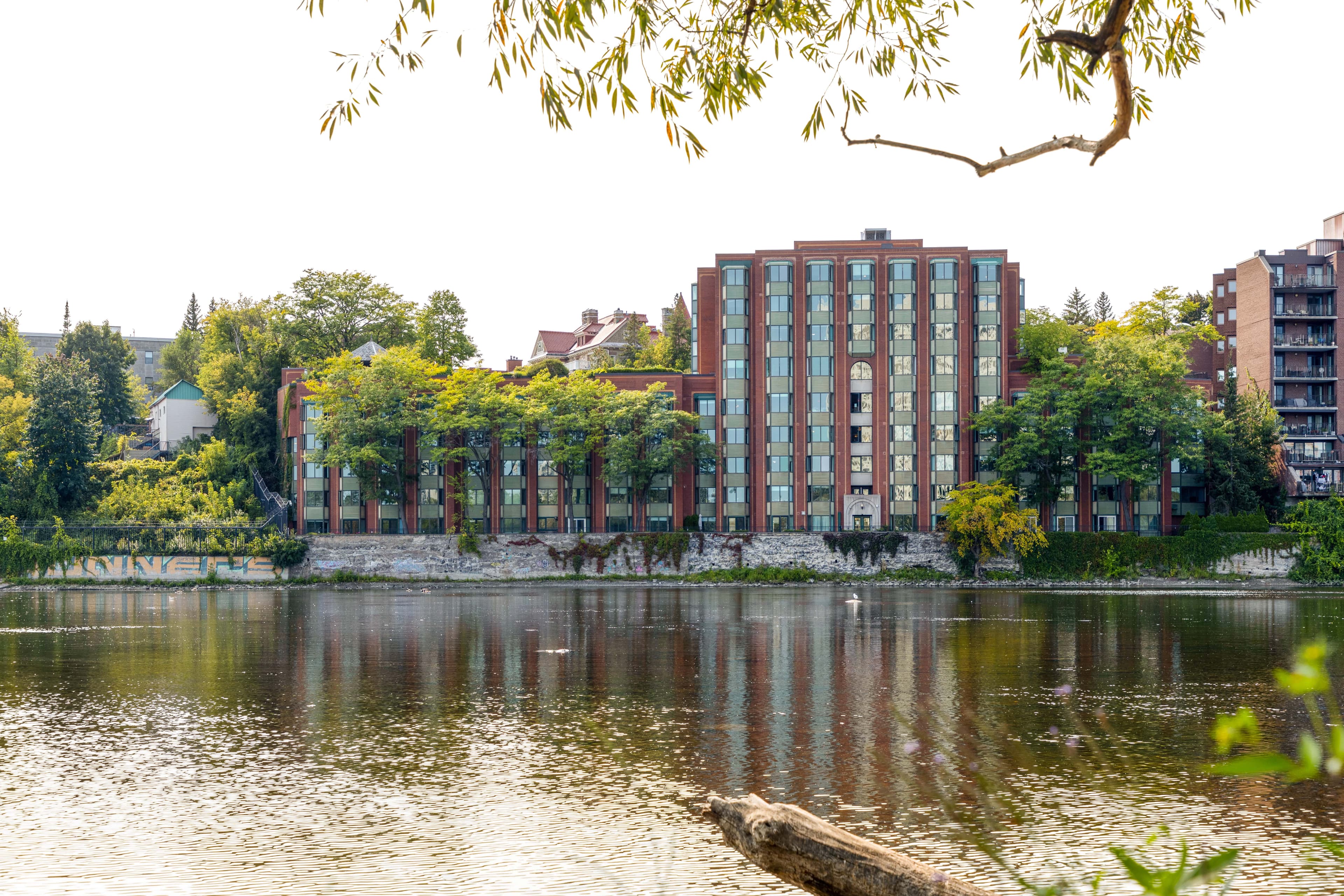
Ottawa's student housing market in 2026
Finding student housing in Ottawa can feel like a race against a clock you can't see. The best places for a September move-in get claimed months earlier, the listings blur together, and it's hard to know what a fair price even looks like. This guide fixes that. It walks through every neighbourhood students actually live in, compares the real housing types available, sets honest cost expectations for 2026, and lays out a booking timeline so you're deciding early instead of scrambling in August.
We run Riverflow Residences, a premium furnished residence in Sandy Hill, so we have a point of view — but this guide is written to be genuinely useful whether or not you ever tour with us. If it helps you choose the right place, it's done its job.
Ottawa is a two-university city. The University of Ottawa (uOttawa) sits right downtown, bordering the Sandy Hill and ByWard Market neighbourhoods, while Carleton University is a few kilometres south along the Rideau Canal. Add Algonquin College and a steady flow of government and tech interns, and you have year-round demand for student housing that peaks hard between May and August as everyone locks in for the fall.
The headline number: the average rent across Ottawa reached roughly $2,150 per month in mid-2026, according to Zumper's rent research. But that city-wide figure hides big differences by neighbourhood and unit type — which is exactly why choosing where and what matters as much as when.
The neighbourhoods students actually live in
Ottawa's student housing clusters around the two campuses. Here's the honest breakdown of the five neighbourhoods that come up most for uOttawa students.
Sandy Hill
Sandy Hill is the neighbourhood immediately east of the uOttawa campus — for most main-campus students, it's the closest place to live off-campus, often a 5-to-15-minute walk to class. It's a leafy, historic area of Victorian homes, embassies, and the Rideau River along its eastern edge. It's also, perhaps surprisingly, one of Ottawa's more reasonably priced central neighbourhoods: the average rent in Sandy Hill sat around $1,895/month in 2026, with studio apartments at a median near $1,450 and one-bedrooms around $1,649 (Zumper). Sandy Hill is where you'll find everything from student rooming houses to heritage conversions to purpose-built premium residences like ours on Wilbrod Street. If proximity to uOttawa is your priority, this is the default answer.
Centretown
West of the canal, Centretown is downtown Ottawa proper — walking distance to Parliament, dense with restaurants, transit, and nightlife. It suits students who want a true urban feel and don't mind a slightly longer commute to uOttawa (roughly 15-25 minutes on foot or a short O-Train ride). Rents run a little higher on average than Sandy Hill for comparable modern units.
ByWard Market & Lowertown
The ByWard Market is Ottawa's food-and-nightlife core, just north of uOttawa. Living here means being in the middle of the action — great if you value energy and convenience, less ideal if you want quiet study nights. Lowertown, just beyond, is a mix of older housing and newer builds and shades from lively to residential as you move away from the Market.
Old Ottawa East & Old Ottawa South
South of the canal toward Carleton, these quieter residential neighbourhoods appeal to graduate students and anyone who prefers a calmer, more settled feel. They're better positioned for Carleton than for uOttawa, and often mean relying on transit or a bike to get to the uOttawa campus.
The Glebe
A popular, walkable neighbourhood along Bank Street with independent shops and cafés. It's well-loved and central-ish, but tends to price higher and sits closer to Carleton than uOttawa.
Types of student housing in Ottawa, compared
Beyond where, the bigger decision is what type of housing fits your life. Here's how the four main options actually compare.
| Housing type | Typical monthly cost | Furnished? | Privacy | Lease flexibility | Best for |
|---|---|---|---|---|---|
| University residence (on-campus) | $9,278-$20,464 / academic year (incl. some meal plans) | Yes | Low-medium (shared/traditional) | Fixed academic-year term | First-years wanting the campus experience |
| Room in a shared house | ~$800-$1,200 + utilities | Usually no | Low (shared kitchen/bath) | Varies, often informal | Budget-first students comfortable with roommates |
| Private apartment (studio/1BR) | $1,450-$2,150 + furniture + utilities | Rarely | High | Standard 12-month lease | Independent students who can furnish and commit |
| Premium furnished residence / co-living | $1,400-$1,920 all-in furnished | Yes | High (self-contained studio) | Academic-term options | Students who want privacy + zero setup |
A few honest notes on that table:
- On-campus residence is the simplest option for a first year and bundles a meal plan, but it's assigned by the university, offers the least independence, and — as the numbers show — is not cheap once the mandatory meal plan is added. More on that in our look at whether uOttawa residence is worth it.
- A room in a shared house is genuinely the lowest sticker price, but the total cost climbs once you add utilities (which can spike in an Ottawa winter if heating isn't included), internet, and the friction of sharing a kitchen and bathroom. We break down that math in private studio vs shared room in Ottawa.
- A standard private apartment gives you your own space, but you'll usually rent it empty — meaning you're buying or shipping furniture and signing a 12-month lease that doesn't match an 8-month school year.
- A premium furnished residence like Riverflow is the turnkey option: you arrive with a suitcase, everything's set up, and the price is one predictable number. It costs more than a shared room and less than the all-in cost of some empty downtown one-bedrooms once you add furniture — see our furnished apartments in Ottawa.
What does student housing actually cost in Ottawa?
The sticker price is only half the story. To compare fairly, add everything:
- Rent — the number on the listing.
- Utilities — heat, hydro and water can add roughly $250+/month for a solo apartment in Ottawa; split three or four ways in a shared house, it's more like $20-$50 each. Always confirm what's included before you sign.
- Internet — around $85/month solo, or $15-$25 split.
- Furniture — a one-time cost of anywhere from several hundred to a few thousand dollars if your place comes empty, plus the hassle of buying and eventually selling it.
- Transit — factor a bus pass if you're not within walking distance of campus.
This is where a furnished, walkable residence changes the arithmetic: no furniture outlay, no bus pass if you can walk to class, and — depending on what's included — fewer separate utility bills to juggle. Our full breakdown lives in the uOttawa student rent budget guide.
When should you start looking? An honest timeline
The single biggest mistake students make is starting too late. Here's the rhythm that works for a September move-in:
- January-March: Research neighbourhoods and housing types. Set your budget. Get on waitlists and tour lists. The best furnished residences and well-located apartments start filling now.
- April-June: Book. This is the peak decision window. If you want a specific unit type or a premium residence for the fall, this is when you commit — inventory tightens fast through the summer.
- July-August: The scramble. Availability is thin, and you're choosing from what's left. Possible, but stressful and rarely your first choice.
- September: Move in. If you left it this late, expect compromises.
For a winter (January) term, shift the whole timeline back and start looking in September-October. Our guide to when to start looking for student housing has the full timeline.
What to look for in student housing
When you tour or shortlist a place, check:
- True distance to campus — measured in walking minutes, not vague claims. In an Ottawa winter, a 7-minute walk and a 25-minute walk are very different lives.
- What's included — furniture, utilities, internet, laundry, parking. Get it in writing. A slightly higher all-in rent can be cheaper than a low rent plus five surprise bills.
- Lease term — does it match your school year? A 12-month lease on an 8-month program means paying for an empty summer or scrambling to sublet.
- Security and management — secure entry, responsive management, and a real address you can verify. Be cautious of listings that pressure you to send a deposit before you've seen anything credible.
- Your deposit rights — in Ontario, a landlord can legally collect a rent deposit of at most one month's rent, and it must be applied to your last month — not held as a damage deposit. Know this before you pay anything.
Understanding your lease and tenant rights in Ontario
Student or not, once you sign a lease in Ontario you're a tenant with real protections under the Residential Tenancies Act (RTA). A few things every Ottawa student should know:
- The deposit rule, again, because it matters: the maximum a landlord can require is a rent deposit equal to one month's rent, applied to your last month. "Damage deposits" and "key deposits" beyond a small refundable key amount are not permitted. If a listing demands two or three months as a non-refundable deposit, walk away.
- Rent increases are regulated. For most units, landlords can only raise rent once every 12 months and by a provincially-set guideline amount, with proper written notice. Big surprise mid-lease increases are not allowed.
- You can't be evicted informally. A landlord must follow a legal process through the Landlord and Tenant Board to end a tenancy — being a student doesn't reduce your rights.
- Get everything in writing. Verbal promises about parking, utilities or repairs are hard to enforce. If it's part of the deal, it belongs in the lease.
If a lease term confuses you, the Landlord and Tenant Board and the university's own student services can point you to plain-language explanations before you sign. Never feel pressured to sign same-day.
Furnished vs unfurnished: the honest math for students
This is one of the most consequential choices, so it deserves its own look. An unfurnished apartment has a lower monthly rent, but you're responsible for furnishing it — a bed, desk, seating, kitchen basics. Bought new, that's easily $1,500-$3,000 up front; bought used, less, but with time, transport and the eventual hassle of reselling when you leave. For a student on an 8-month program, that furniture cost is spread over very few months.
A furnished place carries a higher monthly rent but zero setup cost, no shipping furniture across the country or an ocean, and nothing to sell when you leave. For short stays, international arrivals and anyone who'd rather not spend their first Ottawa weekend in a big-box store, furnished usually wins on total cost and always wins on convenience.
Getting around: transit, walking and Ottawa winters
Never underestimate the winter factor. Ottawa is one of the coldest capital cities in the world, and from December to March your daily commute is a real quality-of-life issue. This is why walking distance to campus is worth paying for: a place you can walk to in 5-10 minutes is livable year-round, while a 25-minute walk or a two-bus commute becomes genuinely miserable in February.
If you're not within walking distance, Ottawa's transit system (OC Transpo) includes the O-Train light rail, with Line 1 serving the uOttawa and Rideau stations near campus, plus an extensive bus network. Many students also cycle in the warmer months along the Rideau River and canal paths. Budget for a transit pass if you'll rely on it, and weigh that cost — and the winter commute — when you compare a cheaper faraway room against a closer, pricier option.
Common mistakes students make (and how to avoid them)
- Starting too late. The number-one regret. Book in spring, not August.
- Comparing rent instead of total cost. A $900 room plus utilities, internet and a bus pass can cost more than a $1,400 all-in studio you can walk from.
- Signing a 12-month lease for an 8-month program. You either pay for an empty summer or scramble to sublet. Match your lease to your program.
- Paying a deposit before verifying the property. Confirm the address, the operator and the reviews. Legitimate places don't need you to wire money to hold a room you've never seen.
- Ignoring the winter commute. The place that looks fine in September can be brutal in January if it's far from campus.
Where Riverflow Residences fits
Having been honest about the whole landscape, here's where we sit in it. Riverflow Residences is a premium furnished residence at 550 Wilbrod Street in Sandy Hill — a 7-minute walk to the University of Ottawa. Every suite is a self-contained, move-in-ready furnished studio or one-bedroom across four tiers, from the Studio Jr at $1,400 to the one-bedroom at $1,920 per month. You get your own space (no shared kitchen or bathroom), plus building amenities: a rooftop terrace with river views, a penthouse lounge, secure entry, in-suite laundry and underground parking.
We're the right fit for students who want privacy, zero furniture hassle, and a walkable premium address — and we're honest that a shared room will cost less up front if budget is your single priority. If the turnkey, self-contained option sounds like your kind of year, the best next step is simply to see it. Explore furnished apartments near uOttawa, browse the student housing options, or book a tour.
Riverflow Residences welcomes all students and residents. We rent on the basis of housing fit and availability, in full compliance with the Ontario Human Rights Code.