What counts as a "student residence"?
When students search for a "student residence" in Ottawa, they usually mean one of two very different things: a room in a university-run residence hall on campus, or a private, purpose-built residence off campus. Both are legitimate ways to live, and they suit different students. This guide compares them honestly — on cost, independence, meal plans, lease length and privacy — so you can choose with open eyes. And yes, our own building is called Riverflow Residences, so we'll show you where the private-residence option fits and where it doesn't.
On-campus residence is housing owned and run by the university. At the University of Ottawa, that means traditional residence rooms, suites and studios, mostly assigned for the academic year and often paired with a meal plan. You apply through the university and are placed; you're living among first-years in a structured, supervised environment.
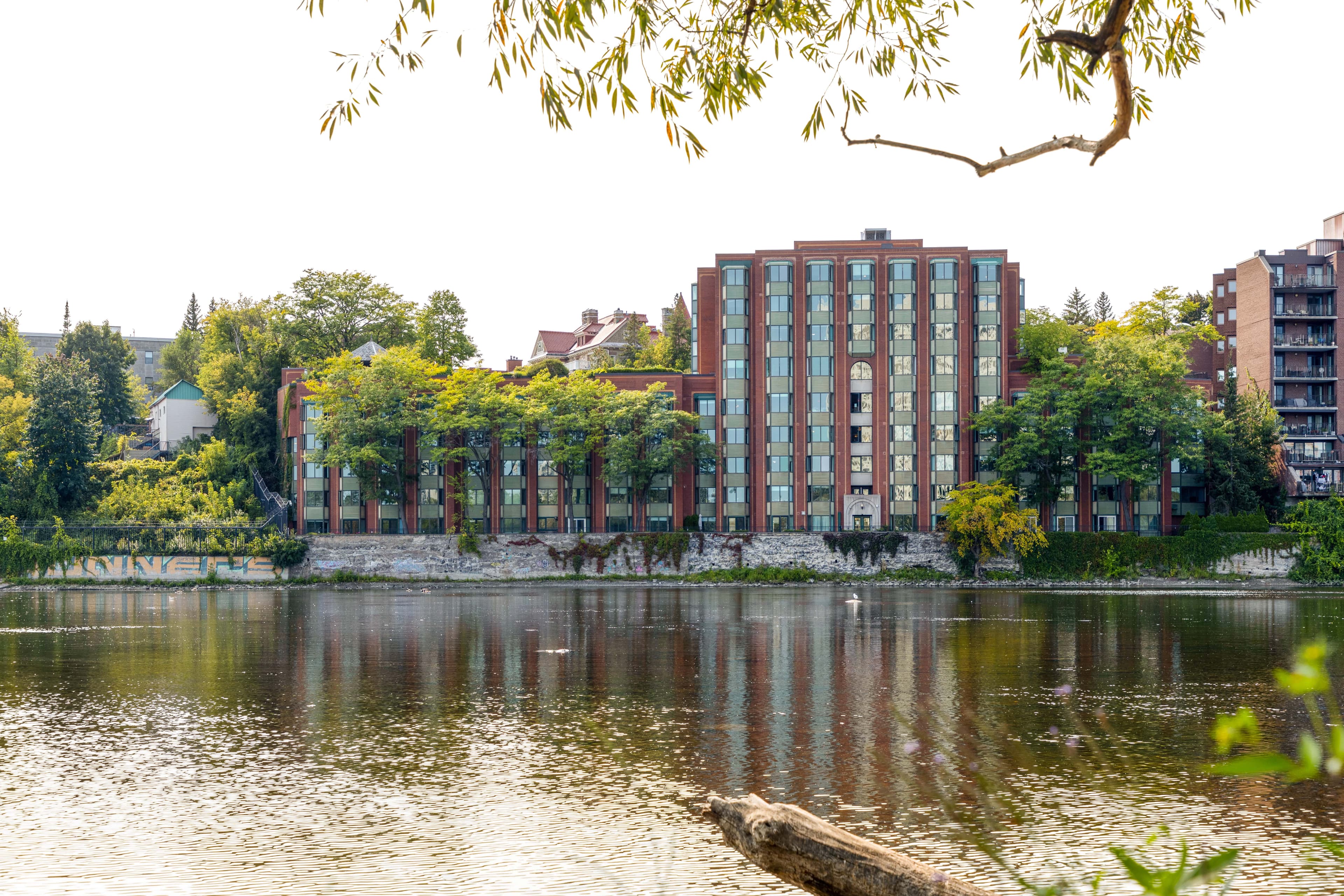
A private student residence is a professionally-operated building, off campus, purpose-built or purpose-run for students and young residents. You rent directly from the operator, choose your suite, and live more independently — typically in a self-contained unit with your own kitchen and bathroom. Riverflow is this second kind: a private residence in Sandy Hill, a 7-minute walk from uOttawa.
Cost: what each residence type really runs
Here's the honest comparison for 2026.
| On-campus residence (uOttawa) | Private residence (e.g. Riverflow) | |
|---|---|---|
| Price basis | Per academic year, room + often mandatory meal plan | Per month, furnished, self-contained |
| Typical range | $9,278-$20,464 / academic year | $1,400-$1,920 / month |
| Meal plan | Mandatory in traditional rooms (~$7,125 / 8 months) | None — your own kitchen |
| Deposit | ~$950 reservation deposit (credited to fees) | One month's rent max (Ontario law), applied to last month |
| Room type | Often shared or traditional single | Self-contained studio or one-bedroom |
A few honest observations. On-campus residence looks like a single tidy number, but that number bundles a mandatory meal plan of roughly $7,125 for eight months in traditional rooms — so the all-in cost is higher than the room alone suggests. A private residence is billed monthly and you cook for yourself, which most students find cheaper over a year and infinitely more flexible if you have dietary preferences. Neither is universally "cheaper" — it depends on how you eat, how long you stay and whether you value a meal plan's convenience. (Source figures: University of Ottawa 2026-27 residence and meal-plan fees.)
We go further into that trade-off in our look at whether uOttawa residence is worth it.
Independence: meal plans, kitchens and rules
This is where the two options genuinely diverge.
On-campus gives you structure. Meals are handled (you're on a plan), staff are around, and everyone's a student — which is reassuring for a first-year far from home. The trade-off is less independence: you eat on the meal-plan system, live by residence rules, and have limited say over your space and who's nearby.
A private residence gives you autonomy. You have your own kitchen, so you cook what you want, when you want. You have your own bathroom. You come and go as an adult renting your own home. For many second-, third- and fourth-year students — and virtually all graduate students — that independence is the whole point. If you want a taste of adult living while staying close to campus, this is the model that delivers it.
Lease length and the 8-month question
University residence is typically assigned for the academic year (roughly September to April), which aligns neatly with an 8-month program. That alignment is one of on-campus residence's real advantages.
The catch with some private rentals is the opposite: a standard Ontario apartment lease is 12 months, which doesn't match a school year. The best private residences solve this by offering academic-term leases. Riverflow offers lease terms designed around the student calendar — see our flexible student lease terms — so you get the independence of a private residence and a term that fits your program, without paying for an empty summer.
Privacy: a self-contained suite vs a shared hall
On-campus traditional residence often means a shared or single room along a hall with shared or semi-shared facilities. It's social by design — great if you want to be surrounded by people, less great if you need quiet to study or simply value your own space.
A private residence like Riverflow is built around self-contained suites: your own furnished studio or one-bedroom, your own kitchen and bathroom, in-suite laundry, secure entry. You get privacy when you want it and community when you seek it out — in shared amenity spaces rather than a shared bathroom. For students who study best in quiet, or who are simply past the dorm phase, that privacy is decisive. If you're weighing a private studio against a shared setup, our private studio vs shared room guide goes deeper.
Who should choose which?
Choose on-campus residence if you're a first-year who wants maximum social immersion, values a meal plan's convenience, and prefers a supervised, all-in-one environment for your first year away from home.
Choose a private residence if you want independence and privacy, prefer cooking for yourself, want a self-contained furnished suite, and value choosing your own space — while staying within walking distance of campus. This suits most upper-year and graduate students, and plenty of independent first-years too.
The social side: community without a shared bathroom
One fair worry about leaving on-campus residence is missing the built-in social life. It's a real consideration — residence halls make it easy to meet people in your first weeks. But a private residence isn't the same as living alone in a random apartment. A purpose-run residence still houses a community of students and young residents, and the good ones create connection through shared amenity spaces — a lounge, a rooftop terrace, common areas — rather than a shared bathroom. You get the best of both: your own private, quiet suite to retreat to, and shared spaces to be social in when you choose. For many students, that balance is more sustainable over a full year than the constant, unavoidable togetherness of a residence hall.
Location and commute
On-campus residence wins on raw proximity — you're already there. But the gap is smaller than it sounds when a private residence is a short walk away. From Riverflow at 550 Wilbrod Street, campus is a 7-minute walk, which in practical terms means you can wake up, get ready and be in class about as fast as many students crossing a large campus from a far residence hall. What a walkable off-campus residence adds is a real neighbourhood around you: Sandy Hill's cafés, the ByWard Market, the Rideau River paths and grocery shopping, all on foot. On-campus living can feel like a bubble; a walkable private residence puts you in the city while keeping you next to the university.
Amenities compared
Amenities are where a premium private residence often pulls ahead. Traditional on-campus rooms are functional — a bed, a desk, shared facilities — and the meal hall is the social hub. A premium private residence is designed around living well: self-contained furnished suites, in-suite laundry (no hauling quarters to a shared machine), secure entry, and lifestyle amenities like a rooftop terrace and a penthouse lounge. If the quality of your day-to-day living space matters to you — and after a first year, it often starts to — this difference is felt every single day.
Application and timing for each
The two paths also differ in how you secure a spot. On-campus residence is applied for through the university, usually with a firm application window tied to your admission, and placement is decided by the university — you may not get your first choice of building or room type. A private residence you approach directly: you can tour (in person or virtually), choose your specific suite and tier, and book as soon as you're ready, subject to availability. That means more control, but also more responsibility to start early, since the best-located private residences fill through the spring for a September move-in. Whichever you choose, the timing lesson is the same: decide early.
The private residence option: Riverflow
Riverflow Residences is a private student residence at 550 Wilbrod Street in Sandy Hill, a 7-minute walk from the University of Ottawa. It's purpose-run for students and young residents who want a premium, independent alternative to a dorm: self-contained furnished studios and one-bedrooms across four tiers ($1,400-$1,920/month), each with a private kitchen and bathroom and in-suite laundry, plus building amenities — a rooftop terrace with river views, a penthouse lounge, secure entry and underground parking.
It's the residence experience — a managed building, a community of students, a real address — without the shared bathroom, the mandatory meal plan or the loss of independence. The name says residence; the living says your own place. Explore the suite tiers, see the gallery, or book a tour.
Riverflow Residences welcomes all students. We rent on the basis of housing fit and availability, in full compliance with the Ontario Human Rights Code.