"Everything's included" is the comforting promise of first-year residence — but the honest answer is some things are included, some you bring, and one big thing costs extra whether you use it or not. Knowing exactly what's in the room before you arrive saves you money, a stressful first-week shopping trip, and the classic mistake of showing up with a carload of furniture you're not allowed to keep. Here's the real inventory for 2026-27, drawn from the University of Ottawa's own residence information — always confirm the specifics for your assigned building, because they vary.
What the room comes with
uOttawa residence rooms are furnished with the basics you need to live and study from day one. Across the residence buildings that typically means:
- A bed (with a mattress) and a desk and chair for studying — the core furniture in every room.
- Storage — a wardrobe or closet space for your clothes and belongings.
- Internet access. Connectivity is provided in residence; the university treats interfering with shared network equipment as an agreement violation, which tells you it's a managed, building-wide service you tap into rather than something you set up yourself.
- Heat and utilities, included in your residence fees — no separate hydro account to open.
The exact configuration depends heavily on the building. uOttawa's residences range from traditional dorm-style rooms with shared facilities to suite- and apartment-style units: some buildings have kitchenettes or full kitchens and in-unit or shared bathrooms (for example, certain Friel, 90 University and Annex configurations include kitchen or living space), while traditional buildings share washrooms and lounges along the floor. The room fee you pay maps directly to how much private space and how many of these features you get.
What you must bring yourself
This is where students get caught out. The room has the furniture, but your personal items are on you — and, crucially, uOttawa does not allow you to bring your own large furniture. The essentials to pack or buy on arrival:
- Bedding — sheets, pillows, a duvet or blanket, and a mattress protector, all sized to the residence bed.
- Towels and toiletries.
- Kitchen basics if your unit has a kitchenette — dishes, a pot or two, utensils.
- A desk lamp, laundry basket, and cleaning supplies.
- Warm clothing — this is Ottawa; the winter is real.
And note what's specifically not permitted: personal furniture, microwave ovens, home cinema systems, BBQs and wireless routers are all on uOttawa's not-allowed list. If you need a mini-fridge or freezer, you can't just bring any unit — the university partners with a rental service (Coldex) to supply approved fridges. Check your building's rules before you buy or pack anything electrical or bulky.
The meal plan: included, mandatory, and a real cost
Here's the "big thing that costs extra whether you use it or not." In traditional residence rooms and suites, a meal plan is mandatory. For 2026-27 it costs about $7,125 for the 5-day unlimited plan or $7,850 for the 7-day unlimited plan — roughly $890 a month for food. It isn't an optional add-on you can decline to save money; in a traditional room it's baked into your commitment. Whether that's good value depends entirely on whether you'll actually eat most of your meals on campus. For full costs and how the meal plan stacks up, see the uOttawa residence cost breakdown.
Laundry, storage and the odds and ends
- Laundry is available in residence buildings, and in some — Rideau's ground-floor laundry room, for instance — it's free; in others it may be pay-per-use. Confirm for your building.
- Storage between years isn't included — you clear out each spring at the end of the academic-year agreement.
- A Student Resident Insurance Program charge (about $156) is built into your room fee, providing a baseline of resident coverage.
What isn't included at all
Even with furniture, utilities, internet and a meal plan, residence doesn't cover:
- Summer housing. The academic-year agreement runs roughly September to April. If you're in Ottawa May-August, that's a separate arrangement.
- Personal spending beyond the meal plan — snacks, coffee off campus, toiletries, entertainment.
- Your own furniture and electronics (bring the small stuff; the big stuff isn't allowed).
- Transit, if your schedule takes you across the city — though full-time students have the U-Pass through ancillary fees.
How this compares to a furnished studio — honestly
It's worth seeing the two side by side, because "furnished" means something different in each. A uOttawa residence room gives you core furniture, utilities, internet and a mandatory meal plan, often in a shared setting, priced per academic year. A private furnished studio gives you core furniture, your own kitchen (so no meal plan), your own bathroom, in-suite laundry in many cases, and monthly billing — but you carry your own utility arrangements and there's no built-in dining hall or supervised residence-life layer.
Neither is universally "more included." Residence includes food you must pay for regardless; a studio includes a kitchen so you control the food budget. Residence includes a social, supervised environment; a studio includes privacy and independence. The right answer depends on whether the meal plan and the residence-life experience are worth the premium to you — which is a very different question in first year than in second.
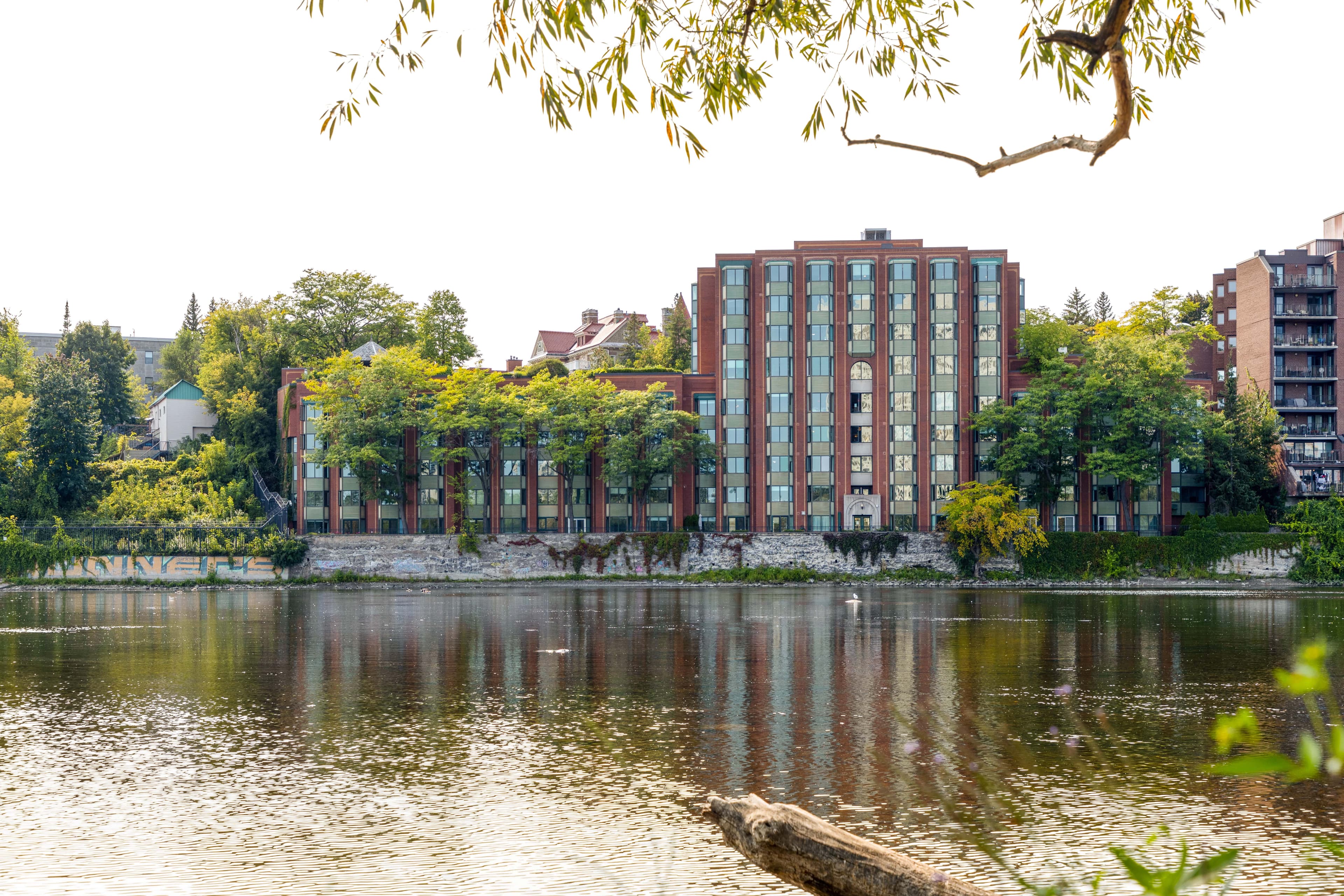
If the studio side of that comparison appeals — your own kitchen instead of a mandatory meal plan, your own bathroom, monthly billing — that's what Riverflow Residences offers a 7-minute walk from campus: furnished, self-contained studios and one-bedrooms from $1,400 a month at 550 Wilbrod Street, each with its own kitchen and in-suite laundry. On your tour, ask exactly which utilities are included so you can compare the full number against residence, not a guess.
Whatever you choose, pack for the room you're actually getting: bring the bedding and the small stuff, leave the furniture and the microwave at home, and budget the meal plan as the real, mandatory cost it is.
Riverflow Residences welcomes all students, in full compliance with the Ontario Human Rights Code. Residence details cited are the University of Ottawa's and vary by building — confirm the specifics for your assigned residence on uottawa.ca.