The honest answer is earlier than you think — and earlier than most students actually do. Every year, a wave of Ottawa students starts hunting for a September place in July and August, only to discover that the well-located, well-priced, and furnished options were claimed months ago. This post lays out a realistic month-by-month timeline for the 2026-27 year, anchored to the University of Ottawa's own residence deadlines, so you can decide from a position of choice instead of scrambling for scraps.
The one-sentence version
For a September 2026 move-in, research from January to March, and commit between April and June. Everything after that is the leftovers market. For a January (winter-term) start, shift the whole timeline back and begin looking in September-October.
Why so early? Because Ottawa is a two-university city — uOttawa downtown, Carleton to the south, plus Algonquin College and a steady stream of interns — and demand for the best student housing peaks hard from spring into summer. The university's own system runs on the same early calendar, which is the clearest anchor you have.
Anchor your timeline to uOttawa's residence deadlines
Even if you're planning to live off-campus, the University of Ottawa's residence calendar is the best clock in the city, because it tells you when serious housing decisions are being made:
- December 9, 2025 — the uOttawa Housing Portal opens at 9 a.m. for new students applying for 2026 residence. Applications are live before winter break.
- June 1, 2026 — guaranteed offers of residence expire at 11:59 p.m. ET. To keep a first-year residence guarantee, students must apply and pay the deposit (a $1,000 deposit finalizes the reservation) by this date.
The takeaway: by the time June arrives, thousands of Ottawa students have already locked in their housing for the fall. The private market moves on a similar rhythm. If you wait until the guarantee deadline has passed to start looking off-campus, you're already behind the curve.
The month-by-month timeline
January-March: research and shortlist
This is the calm, high-leverage window. Nothing is urgent yet, so use it well:
- Set a realistic budget, counting the total cost (rent plus utilities, internet, furniture and transit) rather than the sticker rent alone.
- Compare neighbourhoods — Sandy Hill (bordering uOttawa), Centretown, the ByWard Market and Lowertown all live differently.
- Decide your housing type: on-campus residence, a room in a shared house, an empty private apartment, or a furnished residence.
- Get on tour lists and waitlists. The best furnished residences and best-located apartments begin filling now.
What's available: almost everything. This is peak selection.
April-June: commit
This is the decision window, and it overlaps precisely with the June 1 residence-guarantee deadline for a reason — it's when the market makes up its mind.
- If you want a specific unit type, a particular neighbourhood, or a premium furnished residence for the fall, book now.
- Line up your paperwork early (proof of enrolment, references, and — if you don't yet have Canadian credit history — a guarantor or proof of funds).
- Confirm your lease term matches your program. A standard Ontario lease is 12 months; an academic year is roughly eight. Sort that out before you sign.
What's available: strong selection early, thinning fast by late June. The premium and furnished inventory goes first.
July-August: the crunch
By now, availability is genuinely tight, and you're choosing from what's left rather than what's best. Prices on the remaining good units don't drop — if anything, last-minute demand firms them up. It's still possible to find a place, but expect compromises on location, price, or quality, and expect to move quickly when something decent appears.
What's available: the leftovers. Furnished, walkable, well-priced — pick two, maybe.
September: move-in (and the last-minute reality)
If you've arrived at September without a signed lease, you're in the emergency market. Some students do land something in the first weeks of term — a late cancellation, a sublet, a room that opened up — but it's stressful, rarely the first choice, and it collides with the exact week you should be focused on orientation and classes. Treat September as move-in month, not shopping month.
Why the crunch is worse than it looks
Two forces compress the Ottawa timeline further than a simple supply-and-demand story suggests:
- The academic-year lease mismatch. Because the best student-focused housing offers eight-month or academic-term leases, those units are in disproportionate demand — and they're the first to go. General-market 12-month apartments linger longer but suit students poorly.
- The winter factor. Ottawa is one of the coldest capital cities in the world. Walkable, close-to-campus housing is worth paying for and gets claimed early precisely because a 7-minute walk and a two-bus commute are very different lives in February. The closest, most weather-proof options clear out first.
What booking early actually gets you
Starting early isn't just about getting a place — it's about getting a better one at a better price. The students who commit in spring get the full menu: their preferred neighbourhood, the specific unit type or floor they want, the furnished options, and the academic-term leases that match a school year. They also avoid the quiet premium the summer market puts on the last few good units. Booking early means negotiating from choice; booking late means accepting whatever hasn't already been taken. The difference over a full year isn't small — it can be the gap between a walkable, furnished suite you love and a far-flung room you tolerate.
There's also a paperwork advantage. Booking early gives you time to line up a guarantor, gather proof of funds, and sort out an offer without the pressure of a place slipping away while you scramble for documents — a real benefit for international and out-of-province students especially.
How to use this timeline right now
Wherever you are in the calendar as you read this, the move is the same: act one step earlier than feels necessary. If it's winter, start shortlisting. If it's spring, start booking. If it's July, prioritise ruthlessly and decide fast. And in every season, compare the total monthly cost, not just the advertised rent — a furnished, walkable place with fewer separate bills often beats a cheaper-on-paper room once the winter heating and the bus pass are counted.
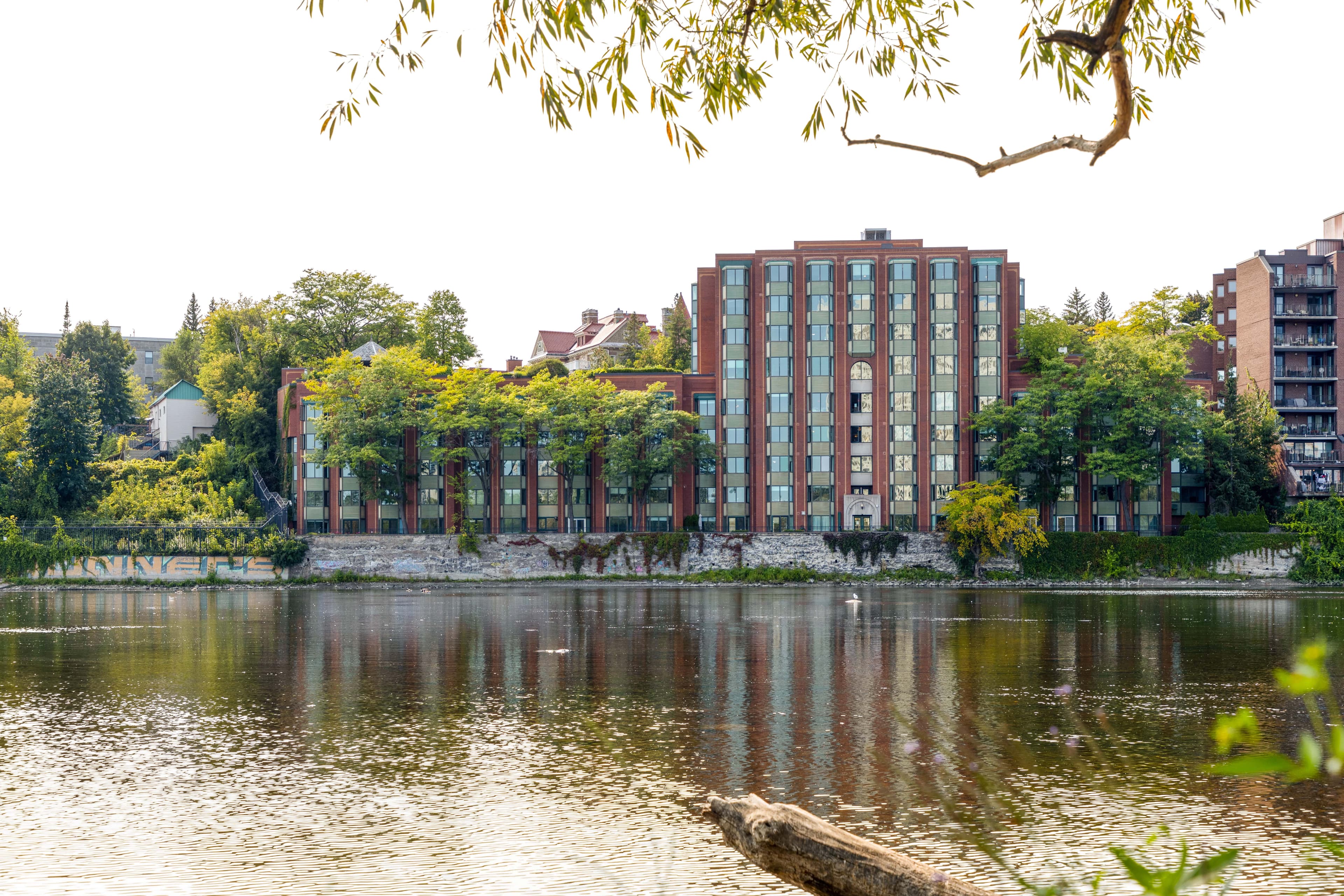
If a furnished, move-in-ready residence a short walk from uOttawa is on your shortlist, Riverflow Residences in Sandy Hill is built exactly for the student who books early and wants zero setup — self-contained furnished studios and one-bedrooms, a 7-minute walk to campus, with academic-term lease options. The students who tour in spring get the pick of the tiers; the ones who wait until August take what's left.
The pattern repeats every single year. The students who start early aren't luckier — they're just earlier. Be earlier.
Riverflow Residences welcomes all students. We rent on the basis of housing fit and availability, in full compliance with the Ontario Human Rights Code.