A viewing is usually twenty minutes, and most of it disappears into small talk about the neighbourhood. The students who avoid problems are the ones who arrive with a list and work through it out loud, because almost every dispute that surfaces later — a bill nobody mentioned, a housemate's partner who effectively lives there, a landlord who won't fix the shower — was answerable in that twenty minutes.
Below is a viewing script, grouped so you can move through it naturally rather than reading it like an interrogation. Take it on your phone. Write the answers down as you go — you will not remember which house said what after the third viewing.
Before you go: two questions by message
Ask these before you spend an hour travelling.
- "Is the owner living in the unit, and will I share a kitchen or bathroom with them?" This is the most consequential question in the whole list. Under section 5(i) of Ontario's Residential Tenancies Act, the Act does not apply to accommodation where the occupant must share a bathroom or kitchen with the owner or the owner's spouse, child or parent. If that describes the arrangement, you have no Landlord and Tenant Board hearing, no protection against a rent increase, and no repair order — you can be asked to leave. Sharing only with other tenants does not create the exemption; sharing with the owner does.
- "Is the rent all-inclusive, and what exactly does that cover?" Establishes the real price before you invest the trip.
Money
- What is the rent, and what is the true monthly total once anything excluded is added?
- Which utilities are included — heat, hydro, water? Ask about heat by name; it is the expensive one in an Ottawa winter.
- If utilities are shared, how is the split calculated, and can I see the last twelve months of bills?
- Is internet included? How many people share it, and is there a data cap?
- What deposit is required? In Ontario a landlord may collect a rent deposit of at most one month's rent, applied to your last month. Damage and security deposits are not permitted, and non-refundable holding fees are not a lawful charge. Your deposit must earn annual interest at the provincial guideline rate — 2.1% in 2026.
- How is rent paid, and will I get a written receipt each time?
- Are there any other fees at all — key deposit, laundry, parking, cleaning?
- When was the rent last increased? Increases require 90 days' written notice on Form N1 and generally at most one per 12 months. The 2026 guideline is 2.1%, though units first occupied for residential purposes after 15 November 2018 are exempt from the guideline cap.
The agreement
- Will I get an Ontario Standard Lease? For most private tenancies entered into on or after 30 April 2018, the landlord must use it (Form 2229E). If one isn't provided, you may request it in writing and the landlord has 21 days to supply it.
- Is this a lease or a licence? Ask it plainly. Following on from the owner-sharing question, this determines whether you have RTA protection at all.
- What is the term, and what happens at the end? Fixed term, month-to-month, or automatic renewal?
- What notice do I give to leave? In a standard Ontario tenancy that's typically 60 days for a month-to-month.
- Can I sublet or assign if my plans change mid-term? Get the answer in writing.
- Is there anything in the agreement that isn't in the standard form? Ask them to walk you through additional clauses. Terms that conflict with the RTA are unenforceable, but you should still know they were attempted.
Housemates and the house
- How many people live here, and who are they? Students, working professionals, a mix?
- How long has each person been here? High turnover in a shared house is a signal worth reading.
- How are shared spaces cleaned — a rota, a paid service, or nothing?
- How is the kitchen shared? Assigned fridge and cupboard space, or a free-for-all?
- Are there quiet hours, and are they observed?
- What's the guest policy? Overnight guests, partners staying regularly, parties. This is the most common source of shared-house conflict and the least often discussed at a viewing.
- Can I meet a current housemate, even briefly? A five-minute conversation with someone who already lives there is the highest-value information available to you, and reluctance to allow it tells you something too.
Condition and repairs
- Who do I contact for a repair, and how fast do things typically get fixed? Ask for a specific example from the last few months.
- How old are the heating, plumbing and appliances? Ottawa's older Sandy Hill and Lowertown stock is charming and occasionally temperamental.
- Is there air conditioning? Ottawa summers are genuinely hot.
- Is there a working smoke alarm and carbon monoxide detector, and where are the exits?
- Does the room lock, and who else holds a key?
- Is there any sign of pests, damp or mould? Look at ceilings, windowsills and under the sink while you ask.
- How's the internet in this room specifically? Signal strength at the far end of an old house is not the same as at the router.
Access, security and privacy
- What notice will I get before someone enters my room? In an RTA-covered tenancy, a landlord generally needs 24 hours' written notice and may enter only between 8am and 8pm, except in an emergency.
- How is the front door secured, and how many keys or fobs are in circulation?
- How is mail and parcel delivery handled?
- Is there bike storage, and is it secure?
Location and daily life
- How long is the walk to campus, really? Walk it yourself before you decide.
- What's the transit connection if the weather turns?
- Where's the nearest grocery store, and is it a walk or a bus ride?
- How noisy is the street at night? If you can, come back at 10pm and listen.
- Is the area quiet in exam season? Ask a current housemate rather than the landlord.
Exit
- What condition must the room be left in, and what's the inspection process?
- What happens to my last month's deposit at the end — including the interest owed on it?
- What if I need to leave early? Get the answer before you need it.
- Will you provide a reference for my next rental?
Two closing habits
Write the answers down at the viewing, not afterwards. By the third house the details blur, and the details are the whole point.
Put the important answers in the lease. A verbal "yes, heat is included" is worth very little in March. If it's in the written agreement, it's real.
If a landlord is impatient with this list, that is itself an answer. Good landlords expect these questions and usually have the paperwork ready.
For the fuller step-by-step, our complete guide to renting a room in Ottawa as a student covers the whole process, and the 10-step room-rental checklist is the shorter version to run alongside this script.
If you'd rather not run the script at all
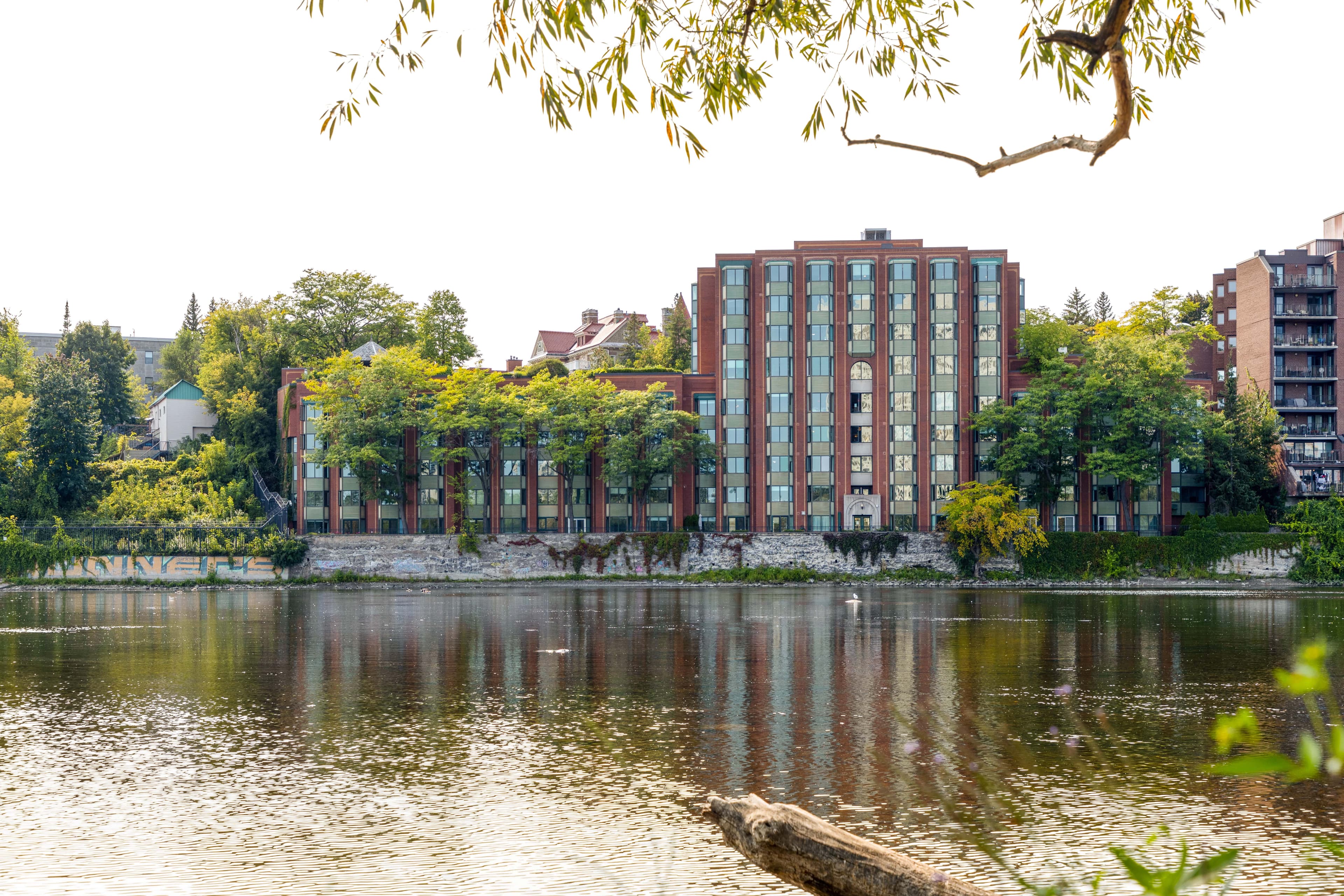
Every question above exists because a room in someone else's house is a negotiation with an individual. A self-contained unit in a managed building answers most of them structurally — one lease, one leasing team, your own kitchen and bathroom, no housemate guest policy to negotiate. Riverflow Residences leases furnished studios and one-bedrooms — not rooms — at 550 Wilbrod Street in Sandy Hill, a seven-minute walk from uOttawa. Ask the leasing team the same questions on your tour; the answers should come back in writing.
Whichever route you take, ask before you sign. Twenty minutes of questions is the cheapest insurance in the whole process.
Riverflow Residences welcomes all students and residents in full compliance with the Ontario Human Rights Code. This article is general information, not legal advice — for tenancy questions contact the Landlord and Tenant Board or a community legal clinic.