If you've been accepted to schools in both Ottawa and Toronto — or you're weighing the two cities before you even apply — housing cost is one of the biggest variables in the decision, and it rarely gets compared honestly. Toronto is Canada's largest city and its gravitational centre; Ottawa is the national capital, quieter, and a genuine two-university town. This post puts the two side by side on the numbers that actually shape a student's year: rent, total cost of living, the commute, and campus experience — with real 2026 figures, including the places where Toronto comes out ahead.
Round 1: rent
This is where the gap is widest, and it isn't close.
Across all housing types, average rent in Ottawa sat around $2,150 a month in July 2026. A private studio in Ottawa averages roughly $1,579 and a one-bedroom about $1,945-$1,990. A room in a shared house near the University of Ottawa typically runs $650-$980.
Toronto is a different market entirely. One-bedroom apartments in Toronto average roughly $2,120 a month at the low end of the estimates, and $2,500-$2,587 in others — and the consensus across cost-of-living guides is that Toronto housing runs about 30-40% more expensive than Ottawa's. A room in Toronto that would cost $800 in Ottawa's Sandy Hill can easily list well into four figures.
For a student signing a lease for eight months or more, a $300-$600 monthly difference on rent alone is $2,400-$5,400 over an academic year — real money that shows up as less debt, more savings, or simply a better-quality place for the same budget.
Round 1: Ottawa, decisively.
Round 2: total cost of living
Rent is the biggest line, but not the only one. Groceries, transit, entertainment and everyday costs all tilt the same direction: the average single person's cost of living in Ontario runs roughly CA$1,500-$2,500 a month, and Toronto sits at the top of that band while Ottawa sits comfortably below it. Toronto's density brings more expensive everything — nights out, coffee, gym memberships, the lot.
Ottawa isn't a cheap city in absolute terms — it's the national capital, and rents are about 10% above the Canadian average — but relative to Toronto it's a clear step down in monthly burn. The same student budget simply stretches further in Ottawa.
Round 2: Ottawa.
Round 3: the commute
Here the comparison is about time and stress as much as money. Toronto is geographically enormous, and student housing that's actually affordable often sits a 45-to-70-minute transit commute from campus. A monthly adult TTC pass costs $156, and while Toronto is introducing fare capping in September 2026 — riders go free after 47 trips in a calendar month — the daily reality for many Toronto students is a long, multi-line commute.
Ottawa's scale works in a student's favour. The city is compact, the University of Ottawa sits downtown, and full-time uOttawa students get the U-Pass bundled into their compulsory ancillary fees — unlimited OC Transpo bus and O-Train access already paid for, no separate monthly pass to buy. Better still, live in Sandy Hill and you can often skip transit entirely: much of the neighbourhood is a 5-to-15-minute walk to class. In an Ottawa winter, a short walk beats a long commute in ways a spreadsheet can't fully capture.
Round 3: Ottawa — cheaper transit and shorter distances.
Round 4: where Toronto genuinely wins
An honest comparison has to give Toronto its due, because on several dimensions it's the better choice.
- Scale of opportunity. Toronto is Canada's business, finance, tech and media hub. For internships, co-ops, part-time work and post-graduation hiring, the sheer volume of employers is unmatched. If your field lives in Toronto, being in Toronto matters.
- Diversity and amenities. More restaurants, more culture, more nightlife, larger and more varied international communities. For some students that vibrancy is worth the premium outright.
- Airport and connectivity. A major international hub makes trips home easier for many international students.
- Bigger everything. More student clubs, bigger events, more of a big-city student life.
If your priority is maximum career optionality in an industry concentrated in Toronto, the higher cost can be an investment rather than a waste. That's a legitimate call.
Round 5: the student experience
This one's closer and more personal. Toronto offers big-city energy; Ottawa offers a walkable, four-season capital with two universities, a large student population, and a calmer rhythm that many students find better for actually studying. Ottawa's downtown is compact enough that campus, the ByWard Market, the Rideau Canal and residential neighbourhoods all sit within a tight radius — you get city life without the commute tax. Toronto delivers more of everything, at the cost of more of everything.
There's no universal winner here. But for a student who wants to spend less, walk to class, and keep life manageable through a demanding degree, Ottawa's smaller scale is a feature, not a compromise.
The verdict
On pure value — rent, total cost of living, and commute — Ottawa wins clearly. You'll pay meaningfully less, live closer to campus, and ride transit for free as a full-time student. Toronto wins on scale of opportunity, amenities and big-city life, and for students whose careers demand a Toronto address, that premium can be worth paying.
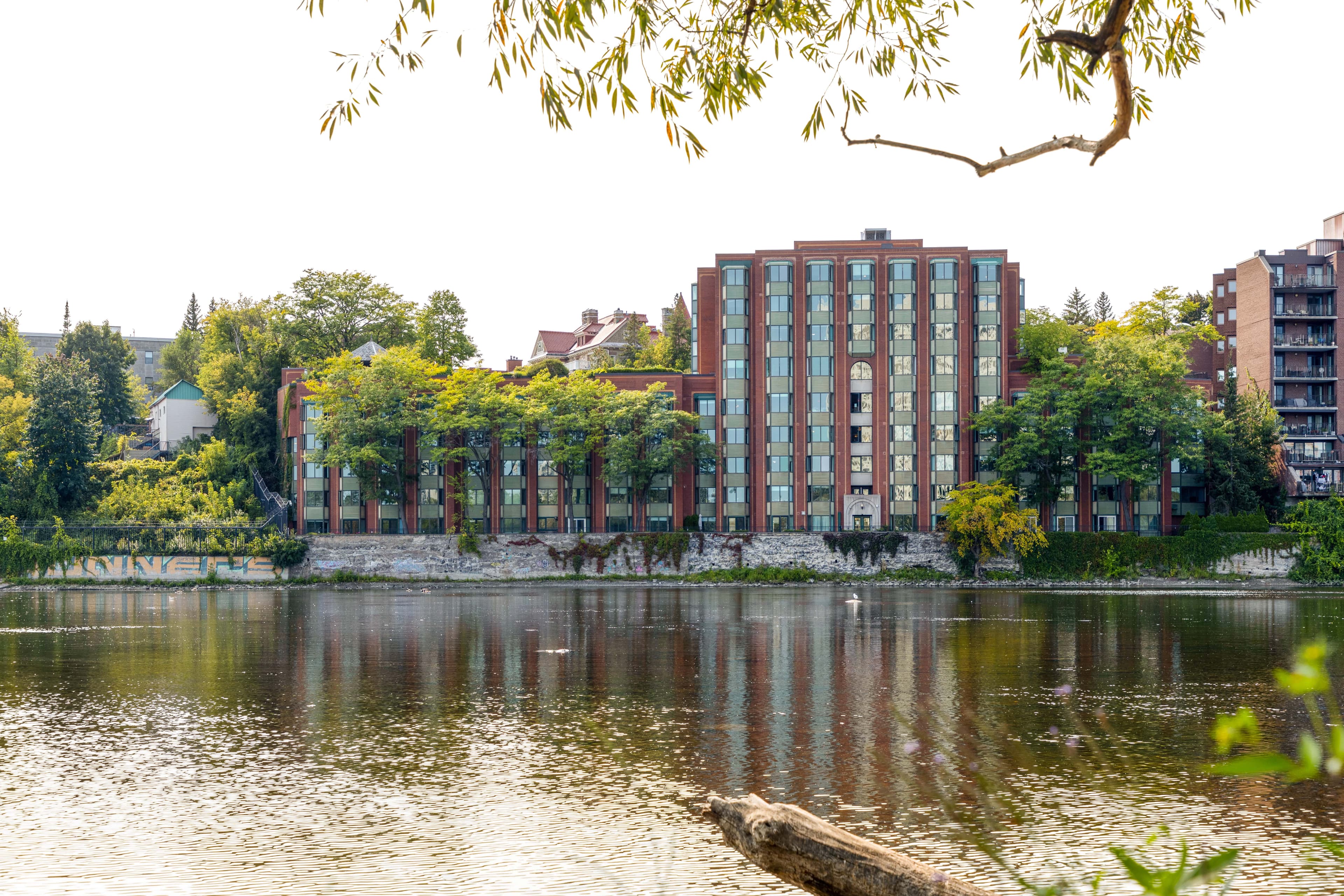
If value is your deciding factor and Ottawa is on your list, the neighbourhood to look at first is Sandy Hill, bordering uOttawa — central, walkable, and one of the more reasonably priced areas near a major campus in the country. That's exactly where Riverflow Residences sits: furnished, self-contained studios and one-bedrooms from $1,400 a month at 550 Wilbrod Street, a 7-minute walk to campus, with the walk-to-class advantage baked in. It's the Ottawa value case made concrete — a private, move-in-ready home for less than a Toronto one-bedroom, and no commute to pay for.
Whichever city you choose, choose it on the full picture: the sticker rent, the everything-else, and the daily commute you'll actually live. On all three, Ottawa is the quieter, cheaper, more walkable value play.
Riverflow Residences welcomes all students, in full compliance with the Ontario Human Rights Code. City figures are researched 2026 market ranges — confirm current prices when you search.