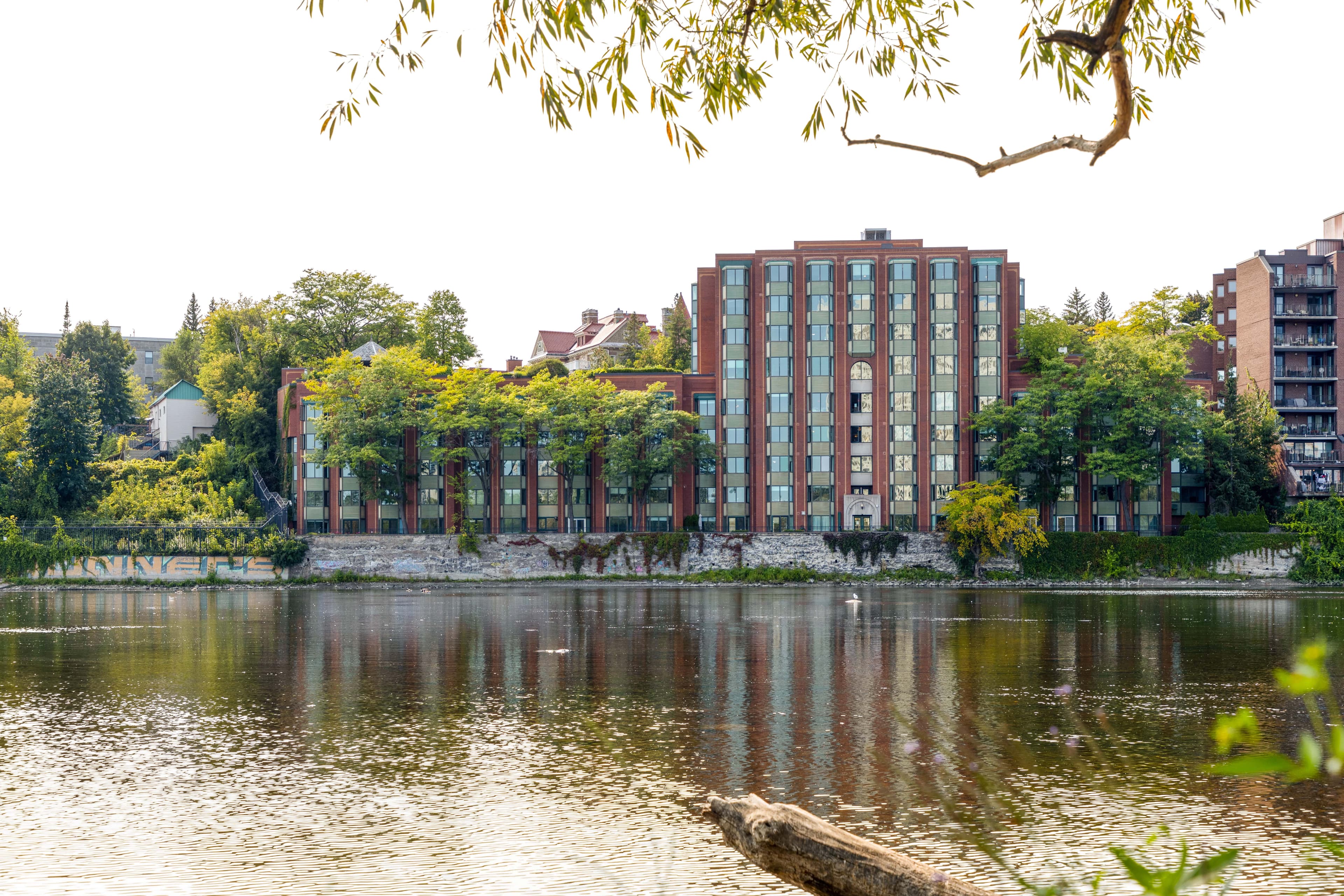
For most first-year students in uOttawa residence, the answer is yes — and it is the single largest line item people forget when they compare living on campus against living off it. The meal plan is not a small add-on to residence fees. At 2026–27 rates it is comparable to the rent itself.
This post sets out when a plan is compulsory and when it isn't, what it costs for 2026–27, what the money actually buys, the annual total once you stack it on residence fees, and what the same year looks like if you cook for yourself.
When the meal plan is mandatory
uOttawa's rule follows the building type. Residences without full in-suite kitchens — the traditional-style buildings, plus 90 University and Henderson — carry a mandatory 5-day unlimited meal plan. Published guidance names the mandatory group as Leblanc, Marchand, Stanton, Thompson, 90 University and Henderson, and this is where most first-year students are placed.
Residences with kitchens in the unit — the apartment- and suite-style buildings — treat the plan as optional. Students living off campus may also buy in voluntarily.
The logic is simply that the university doesn't put students in a room with no cooking facilities and no way to eat. Where you have a kitchen, the choice returns to you.
Because assignment drives the obligation, this is a question to settle before you accept a residence offer, not after. If avoiding a mandatory plan matters to your budget, the building you're assigned is the decision point.
Building-by-building placement, room types and what each residence includes are covered in our comparison of uOttawa residence buildings.
What it costs in 2026–27
Published 2026–27 meal plan pricing, for the eight-month academic year:
| Plan | 2026–27 cost |
|---|---|
| 5-day unlimited (mandatory plan) | $7,125 |
| 7-day unlimited | $7,850 |
| Pay-as-you-go (where the plan is optional) | $4,850 |
"Unlimited" refers to dining hall access — 5-day means Monday to Friday, 7-day adds weekends. The upgrade from 5-day to 7-day is $725, which works out to roughly $23 per weekend across a 32-week year. Whether that's good value depends entirely on how many weekends you actually spend on campus. Students who go home on weekends, or who cook on Saturdays and Sundays, are usually better off on the 5-day plan.
Fees are set annually — confirm current figures on the university's housing and food services pages before budgeting.
What the plan actually buys
An unlimited dining hall plan is an access pass, not a balance. You enter the dining hall as often as you like on covered days and eat there. That has real advantages: no grocery shopping, no cooking, no dishes, no fixed per-meal cost, and — for a first-year student in a new city — a built-in social routine and a functioning food supply from day one.
The trade-offs are equally real:
- You eat where the dining hall is, on the dining hall's schedule. A late lab or an early shift can mean you paid for a meal you couldn't attend.
- It doesn't flex to how you eat. Students with specific dietary requirements, strong cultural food preferences, or an unusual schedule often find themselves buying groceries anyway — paying twice.
- The money is spent whether you use it or not. An unlimited plan rewards heavy users and quietly penalises light ones.
- It doesn't travel. Reading week, holidays and any period away from campus are dead weight on a plan you've already paid for.
There is also a separate note worth knowing: uOttawa charges a mandatory residence insurance fee of around $156 and a $1,000 residence deposit, both distinct from the meal plan and from room fees. They belong in the same budget line even though they aren't food.
The annual total, stacked
This is where the meal plan changes the comparison. uOttawa's published residence room fees for the year span roughly $9,278 to $20,464 depending on building and room type. Add the mandatory 5-day plan at $7,125 and a first-year student in a traditional-style residence is committing something in the order of $16,000 to $20,000+ for the eight-month academic year, before textbooks, transit or a phone bill.
That figure is the honest basis for any on-campus vs off-campus comparison — not the room fee alone. We break down the full residence cost stack, including deposits and insurance, in the uOttawa residence fees 2026–27 breakdown.
The own-kitchen alternative
If you have a kitchen, the meal plan becomes a purchase rather than a condition, and the arithmetic changes.
The mandatory 5-day plan at $7,125 across roughly eight months works out to about $890 per month for food, five days a week. Published Ottawa student cost-of-living guides typically budget a self-catering single-person grocery bill in the region of $300–$450 per month, depending on how often you eat out. Even at the top of that range, the gap over an academic year is substantial — and you should price your own habits rather than take either figure on faith.
There are costs on the other side of the ledger that honest budgeting should include:
- Time. Shopping, cooking and cleaning is several hours a week that a dining hall gives back to you.
- Setup. Pots, pans, basic small appliances — a one-off couple of hundred dollars if you're starting from nothing, and a furnished unit may cover part of it.
- Groceries near campus. Sandy Hill and the ByWard Market area are well served, but budget-conscious shopping sometimes means a bus ride.
- Discipline. A kitchen only saves money if you use it. Ordering in four nights a week erases the advantage quickly.
For students who cook, prefer to eat on their own schedule, have dietary requirements, or simply want the money back, an in-suite kitchen is the deciding feature — which is why apartment-style residence and off-campus studios both look different once the meal plan is priced in.
That's part of why furnished off-campus studios appeal to second-year students in particular. Riverflow Residences at 550 Wilbrod Street rents self-contained furnished studios and one-bedrooms with their own kitchens, a seven-minute walk from uOttawa; confirm what's included in your tier, and what isn't, on your tour. For a wider look at that decision, see is uOttawa residence worth it in second year, or browse furnished apartments in Ottawa.
The decision in one line
If you're placed in a traditional-style building, 90 University or Henderson, the 5-day plan comes with the room and the real question is only whether to upgrade to 7-day. If you have a kitchen — in an apartment-style residence or off campus — the plan is optional, costs $7,125 for the year, and most students who genuinely cook come out ahead without it.
Riverflow Residences welcomes all students and residents in full compliance with the Ontario Human Rights Code. Residence and meal plan fees are set by the University of Ottawa and change annually — verify current figures with the university before making financial decisions.