First-year residence is an easy decision — it's guaranteed, everyone's doing it, and you don't know the city yet. Second year is a genuine choice, and it's the first time most uOttawa students have to actually evaluate housing rather than accept it. This post lays out both sides honestly, including two facts about returning to residence that change the maths considerably and that most second-years discover too late.
The two facts that reframe the whole question
Before any cost comparison, know these:
1. Your residence guarantee is gone. uOttawa guarantees residence for first-year students — those admitted to a full-time undergraduate programme for the fall term who haven't already completed more than five university courses. Once you're past that, the guarantee doesn't carry forward. Returning and upper-year students can apply, but housing is not guaranteed. Offers go out to guaranteed applicants first; everyone else is handled on a first-come, first-served basis afterwards. That means second-year residence isn't a decision you can defer and fall back on — treat it as a maybe, not a safety net.
2. Returning students must apply for a 12-month agreement. First-year residence runs on the eight-month academic year. Return to residence and you're signing for twelve months — you're paying for the summer whether you're in Ottawa or not. If you're going home in May, that's four months of rent for an empty room.
Those two facts alone resolve the question for a lot of students. If you need certainty about where you'll live, applying for something that isn't guaranteed is a strategy with a hole in it — and if you leave Ottawa for the summer, a 12-month commitment is a straightforward cost you can avoid elsewhere.
The cost comparison, honestly
For 2026-27, uOttawa room fees run from about $9,278 for a traditional double up to roughly $20,464 for suite- and studio-style accommodation, with a ~$156 Student Resident Insurance Program charge and a $1,000 reservation deposit credited toward your fees. In traditional rooms and suites the meal plan is mandatory: about $7,125 for the 5-day unlimited plan or $7,850 for the 7-day.
So a traditional double plus the mandatory 5-day plan is roughly $16,400 for eight months — about $2,050 a month. Full figures and the fine print are in the uOttawa residence cost breakdown; always confirm current fees on uottawa.ca before you commit.
Set that against the private market. A private studio in Ottawa averages roughly $1,579 a month and a one-bedroom about $1,945. A room in a shared house near campus typically runs $650-$980. Compare like with like and the picture is uncomfortable for residence: you can rent your own self-contained studio for less per month than a shared traditional double with a meal plan costs. In second year, when the social case for a roommate has weakened and you know how to cook, that's a difficult number to argue with.
The meal plan is the crux
That mandatory $7,125 works out to about $890 a month for food you've prepaid whether you eat it or not. Compare with the $300-$400 a month a student typically spends on groceries cooking for themselves.
In first year the meal plan buys something real: you're adjusting to a new city and a heavier workload, and removing cooking from the equation has genuine value. By second year, most students have learned to cook, have preferences the servery doesn't accommodate, and have a schedule that no longer revolves around being on campus at meal times. The thing you're paying a premium for is the thing you've grown out of. That, more than the rent, is why the second-year residence maths usually tips.
What you give up by leaving
An honest ledger has two columns. Residence genuinely provides:
- Structure and zero admin. One agreement, one bill, no landlord, no utility accounts, no furniture, no internet setup, no housemate negotiations.
- Proximity and a supervised environment. You're on campus, with staff, security and support built in.
- A ready-made social layer — harder to replicate in a private apartment, especially if your friends are dispersing across the city.
- No search. No viewings, no scam risk, no lease you have to read carefully. That has real value in an exam-heavy year.
For some second-years, that package is worth the premium. If your first year in residence was genuinely good, if you value structure over independence, if the meal plan actually suits how you eat, and if you're staying in Ottawa through the summer anyway — the 12-month agreement stops being a penalty and residence remains a defensible choice.
What you gain by leaving
The other column:
- Your own kitchen — and the roughly $500 a month between a prepaid meal plan and groceries you control.
- Monthly billing rather than a lump academic-year commitment.
- A lease you choose — including the summer question, on your terms.
- Genuine privacy. Self-contained space rather than a shared room and a floor bathroom.
- Guests, quiet and autonomy on your own rules rather than residence policy.
The verdict
Stay in residence for second year if: you're staying in Ottawa year-round so the 12-month agreement isn't waste, you genuinely want structure over independence, the meal plan matches how you eat, you're prepared for the possibility of not getting an offer at all, and you value zero-admin living enough to pay for it.
Move out for second year if: you leave Ottawa in the summer, you can cook, you want your own kitchen and bathroom, you'd rather control your food budget, or you simply want the independence — which is, in practice, the majority of second-years. And if you're moving out, work out your full monthly budget before you start booking viewings; the rent is only part of the number.
One practical note either way: decide early. Because returning students aren't guaranteed a place, the students who wait to see whether a residence offer arrives before starting their off-campus search often end up doing that search in July, competing for what's left. Run both tracks in parallel — apply if you want to, but search as if the offer won't come.
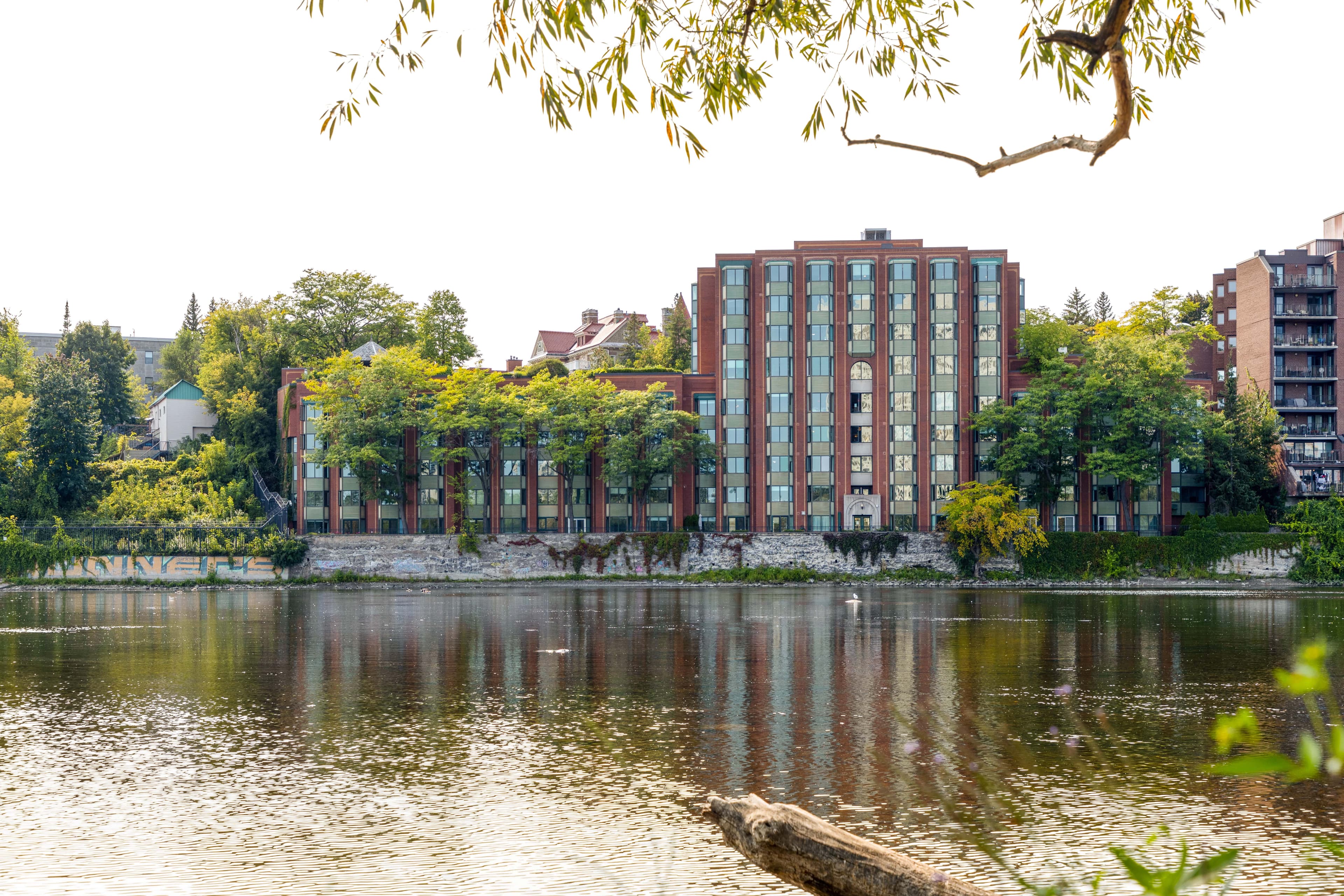
If you land on independence but don't want to trade it for an unfurnished apartment and a furniture bill, that middle ground exists. Riverflow Residences rents furnished, self-contained studios and one-bedrooms from $1,400 a month at 550 Wilbrod Street — a 7-minute walk from campus, with your own kitchen, in-suite laundry, secure entry, and no meal plan. It's the second-year answer for students who want residence-style ease with an adult's independence.
Either way, run your own numbers with the mandatory meal plan and the 12-month term included. Second year is the first time this is genuinely your call — make it on the full figure.
Riverflow Residences welcomes all students. We rent on the basis of housing fit and availability, in full compliance with the Ontario Human Rights Code. Residence figures cited are the University of Ottawa's; confirm current fees and eligibility on uottawa.ca.