There are two halves to a viewing. One is what you ask — deposits, lease terms, guest policy, who owns what — and we have covered that separately in our list of questions to ask before renting a room in Ottawa.
This is the other half: what you look at, touch and test with your own hands in the twenty minutes you are standing there. Answers can be revised later. A cold room in February cannot.
Work through it in this order. It follows the route you physically take through a house, so you are not doubling back.
Before you go
Book a daylight viewing. Damp stains, window condensation and the true state of a ceiling are invisible under a 40-watt bulb at nine in the evening.
Charge your phone and bring a torch — the actual light, not just the screen. You will use it under sinks and in basements.
Bring a notepad. By the third house the details blur, and the details are the entire point.
Walk the last five minutes to campus yourself rather than being driven. Listing walk times are optimistic with impressive consistency.
1. The approach and the entrance
- What is the state of the exterior — gutters, roofline, the path? Deferred maintenance outside is usually deferred maintenance inside.
- Is the entrance lit? Walk past at night if you can.
- How does the front door lock, and does it close properly on its own?
- How many keys or fobs are in circulation, and has the lock ever been changed?
- Where does mail and parcel delivery go? An unsecured lobby pile is a real cost over a year.
2. Your room
- Open and close every window. Do they operate? Do they lock? Is there condensation trapped between the panes — a failed seal, and a cold room?
- Run your hand around each window frame and the perimeter of the room. Feel for draft. Ottawa winters find every gap you did not.
- Find the heat source. A radiator, a baseboard heater, a vent — and ask whether it works independently or only when the whole house is heated.
- Count the electrical outlets and note where they are relative to where a desk would go.
- Check the door lock with the key you are handed, and confirm it locks from inside as well.
- Look at the ceiling, especially directly beneath an upstairs bathroom. Staining there is the most commonly overlooked defect in a shared house.
- Check phone signal and ask about Wi-Fi in this room specifically. Signal at the far end of an older Sandy Hill house is not signal at the router.
- Measure roughly, or photograph with something for scale. Rooms photograph larger than they are.
3. Heat, and the by-law that governs it
Ottawa's Heat By-law (2010-210) requires adequate and suitable heat in rented dwellings: an air temperature in the centre of each reasonably ventilated room of not less than 20°C between 6 a.m. and 11 p.m., and not less than 16.67°C (62°F) between 11 p.m. and 6 a.m.
Ask three things: who controls the thermostat, whether heat is included in the rent, and which months the heating is actually run. Then ask a current tenant the same questions, because the answers occasionally differ.
4. Water and the bathroom
- Run the hot tap and count. How long until it is genuinely hot?
- Test the shower pressure, then flush the toilet while it runs and see what happens.
- Look under every sink with your torch. Staining, warped particleboard or a bucket means a leak that is being managed rather than fixed.
- Check the extractor fan. Hold a sheet of paper to it — if it does not hold, the fan is not moving air, and in a shared bathroom that produces mould within a year.
- Look at grout and silicone around the bath and shower. Black, crumbling or peeling is a maintenance indicator.
- Count how many people share this bathroom, and look at the state of it as evidence of how that is going.
5. The kitchen and shared spaces
- Open the fridge and freezer. Is there realistically space for one more person's food?
- Turn on the hob and check the oven. Both. People assume.
- Open the cupboard under the sink — the most reliable place to find water damage and pest evidence in a single look.
- Check for a working extractor over the hob.
- Look at the bins and the recycling setup. It tells you how the house is actually run better than anything a landlord will say.
- Assess the seating. If there is nowhere to be other than your bedroom, you will be in your bedroom for eight months.
6. Damp, mould and pests
Under section 20(1) of Ontario's Residential Tenancies Act, a landlord must keep the residential complex in a good state of repair and fit for habitation, complying with health, safety and housing standards. Pest infestations, mould and non-functioning heat all fall inside that obligation, and a tenant may apply to the Landlord and Tenant Board for a repair order or a rent abatement.
That is your remedy afterwards. Better to see it beforehand:
- Smell first. Damp has a distinct earthy smell — closets, basements and behind furniture are where it hides.
- Look at the bottom of walls and behind any furniture placed oddly. Furniture positioned against a wall in an otherwise sparse room is worth moving.
- Check window sills and the corners of ceilings for black speckling.
- In the basement: look at the floor for tide marks and at stored items for water staining.
- For bed bugs: check mattress seams, the bed frame joints and the edges of the carpet where it meets the skirting. Ask directly whether the unit has been treated in the past year — the answer, and the way it is given, are both informative.
The City of Ottawa also enforces a Property Standards By-law (2013-416) setting minimum maintenance standards, and a Rental Housing Property Management By-law (2020-255) governing how residential rental properties are managed. If something is clearly below standard, by-law enforcement via 311 exists alongside the Landlord and Tenant Board route.
7. Safety
Since 1 January 2026, the Ontario Fire Code requires carbon monoxide alarms in all homes, near sleeping areas and on every storey. Look for them, and for smoke alarms. Note the exits, and check that any bedroom window meant as an egress actually opens.
8. Noise and the street
- Stand still and stay quiet for thirty seconds in the room. What do you hear?
- Where is the room relative to the front door, the stairs and the living room?
- Ask what the street is like at 11 p.m. on a Friday, then come back at 11 p.m. on a Friday.
Anything you find here that patterns against the warning signs in our guide to student housing red flags in Ottawa is worth taking seriously rather than explaining away because you are short of time.
9. Photograph everything, then get it in writing
Before you leave: photograph every room wide, and every defect close. Timestamp them. If you take the place, repeat the whole set on move-in day and email it to yourself and to the landlord that evening. That email is your move-in condition record, and it is the cheapest insurance in the tenancy.
Then get in writing: what is included, who pays for heat, who to contact for a repair and how fast, parking, and laundry. A verbal "yes, that's included" is worth very little in March.
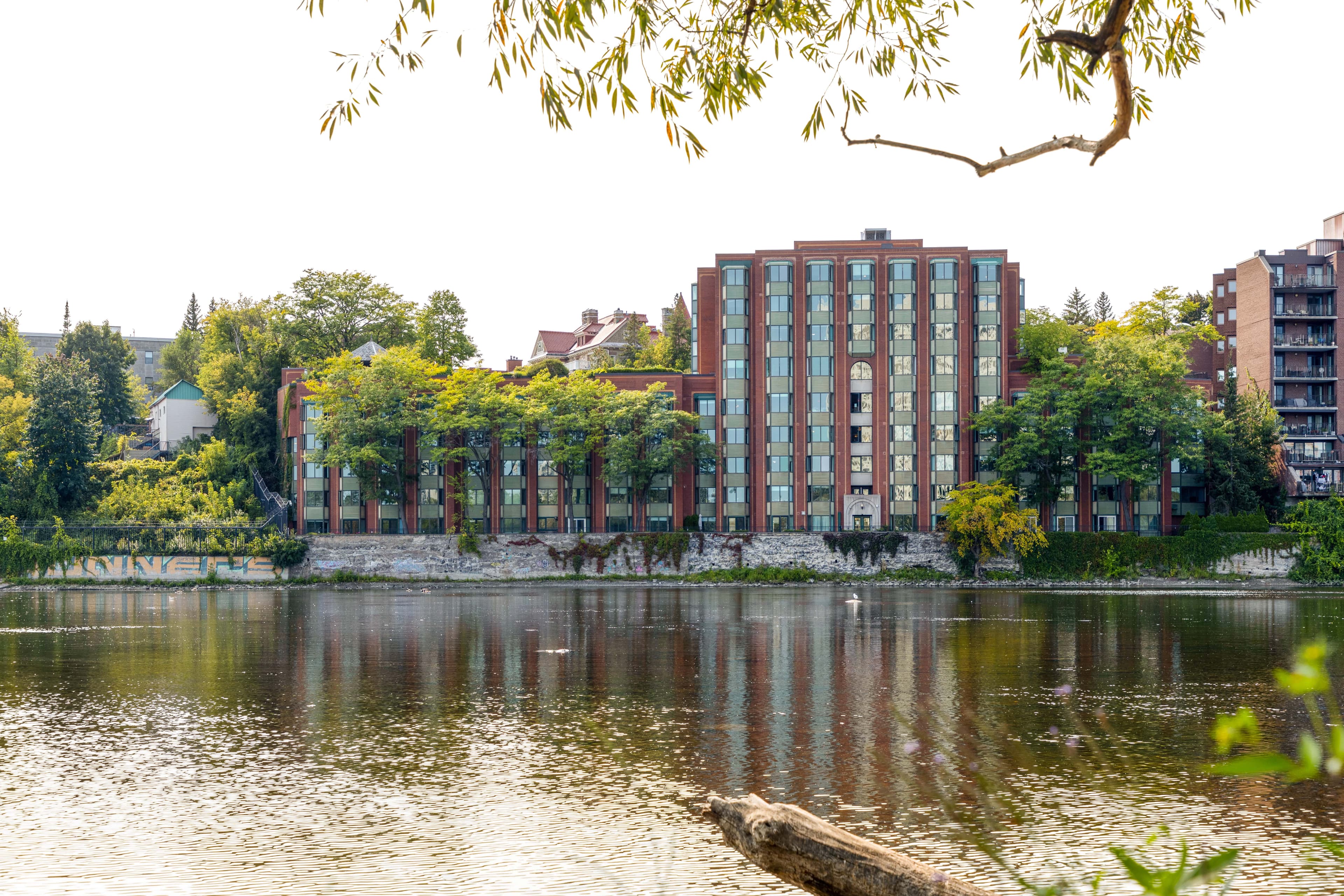
If you would rather run this list somewhere it takes ten minutes instead of thirty: Riverflow Residences leases self-contained furnished studios and one-bedrooms — not rooms — at 550 Wilbrod Street in Sandy Hill, seven minutes' walk from uOttawa. Bring the same inspection list to your tour, ask what is and is not included, and expect the answers in writing. Any landlord worth signing with will give you them.
Pair this with the 10-step room-rental checklist for the process around the viewing. Twenty minutes of looking properly is worth more than any listing photograph ever taken.
Riverflow Residences welcomes all students and residents in full compliance with the Ontario Human Rights Code. This article is general information, not legal advice — for tenancy questions contact the Landlord and Tenant Board or a community legal clinic.