There are two numbers in play, and conflating them is the most expensive mistake an incoming international student makes. One is the amount Immigration, Refugees and Citizenship Canada requires you to prove you have. The other is what living in Ottawa actually costs per month. They are not the same number, they are not built for the same purpose, and in some scenarios they are nearly six hundred dollars a month apart — in both directions.
This post builds the second number from the bottom up, in Canadian dollars, as a monthly budget with three columns. If you are arriving for a January start, the figures that matter most are at the end: the first month is not a typical month.
The monthly table
Three columns. Lean assumes a room in a shared house outside the premium walking radius, with utilities and internet included and a disciplined grocery habit. Mid assumes a self-contained bachelor unit at the city average. Comfortable assumes a one-bedroom at the city average with in-suite laundry and a real social budget.
Housing figures come from CMHC's October 2025 Ottawa rental market survey: bachelor $1,299, one-bedroom $1,559, two-bedroom $1,793 — averages across purpose-built rental stock, blending new and sitting tenants, so an advertised unit coming onto the market is often above them.
| Line | Lean | Mid | Comfortable |
|---|---|---|---|
| Housing | $700 | $1,299 | $1,559 |
| Groceries | $300 | $350 | $420 |
| Transit (U-Pass, amortised) | $60 | $60 | $60 |
| Mobile phone | $30 | $40 | $55 |
| UHIP health coverage | $79 | $79 | $79 |
| Internet | included | $40 | $70 |
| Laundry | $25 | $25 | in-suite |
| Household and personal items | $40 | $60 | $90 |
| Eating out and social | $40 | $100 | $200 |
| Contingency | $65 | $100 | $155 |
| Monthly total | $1,339 | $2,153 | $2,688 |
None of those columns includes tuition, flights, or the one-off arrival costs set out further down.
Where each line comes from
Housing. The largest line and the only one where your decision moves the total by more than a few hundred dollars. Rooms in private Ottawa houses are commonly advertised from the $600s, with Sandy Hill's walking proximity to uOttawa pushing the local range higher; our Ottawa room rental prices guide breaks that down by area. Above the room market, the CMHC averages apply.
Groceries. No official per-student figure exists, and be suspicious of any page that presents one as fact. What is published: Canada's Food Price Report 2026 (Dalhousie University with partner institutions) forecasts food prices rising 4–6% in 2026 and projects a family of four spending roughly $17,572 on food for the year, about $995 more than 2025, with Ontario running above the national average and meat up 5–7%. Dividing a family figure by four is a derivation, not a statistic. Secondary estimates for a single adult cluster between $300 and $400 a month, which matches the columns above and is the honest way to state it — a band, from non-official sources, that you should test against one week of your own receipts.
Transit. uOttawa's U-Pass is $240.67 per term for Fall 2026, Winter 2027 and Spring–Summer 2027, up from $234.80, and it is mandatory for full-time and co-op students. Over a four-month term that is about $60 a month — the amortisation is ours, the fee is theirs. Two useful consequences: it is charged whether or not you use it, and because it is mandatory it is not a cost difference between living on campus and living off it.
UHIP. Ontario's University Health Insurance Plan is compulsory for international students at participating universities. For the 2026–27 policy year the single-student premium is $948 for the year, including 8% tax — about $79 a month, up from roughly $66 under the previous plan, an increase of close to 20%. Mid-year entrants are pro-rated: $632 for a January 2027 start (eight months) and $316 for a May start. Confirm the exact amount and billing date on your own university fee account, since the premium appears there rather than as a monthly bill.
Phone. Discount and flanker carriers have been pricing 50 GB plans in the $30s; the national carriers sit closer to $50 for comparable data. Prices move monthly in Canada, so treat any figure as a snapshot and check two carriers the week you arrive.
Internet. If it is not included in your housing, expect roughly $35–$50 a month for a 100 Mbps plan from a reseller and $60–$80 from a national provider; Ottawa average-bill estimates land in the $50s to low $60s. Promotional pricing tied to a long contract reverts sharply, which matters on an eight-month stay.
Laundry. Shared coin or card laundry realistically adds $20–$40 a month. In-suite laundry removes the line, which is why it is worth more than it looks on a listing.
Winter clothing. A genuine one-off, and one no credible source prices for you. Ottawa's January normals (1991–2020) are an average high of about −5.2°C and an average low of about −14°C — the coldest month of the year, and not a climate a light jacket survives. Budget for a properly rated parka, insulated waterproof boots, and layers; price the specific items at a Canadian retailer's website before you fly rather than trusting a round number, because the gap between a usable parka and a cheap one is the difference between walking to campus in February and not.
Contingency. Five to ten per cent of the total. A budget with no contingency line is a forecast, not a budget.
Now the IRCC figure, honestly
For study permit applications made on or after 1 September 2025, a single applicant must show CAD $22,895 for living expenses for twelve months, separate from tuition and travel. The amount is adjusted each 1 September against the low-income cut-off, so check the current figure on IRCC's own page rather than any third-party summary.
Divided across twelve months that is $1,907.92 a month. Set it against the table:
- Against the lean column at $1,339, the threshold is roughly $569 a month higher than you would actually spend. For a student in a shared room with utilities included, the requirement over-states real cost.
- Against the mid column at $2,153 — a self-contained bachelor at the CMHC average — it under-states by about $245 a month.
- Against the comfortable column at $2,688, it under-states by roughly $780 a month.
So: the threshold is a visa requirement, not a lifestyle budget. It was built as a proof-of-funds floor assessed once, against a national low-income measure — not as a forecast for a particular city, a particular housing choice, or a particular winter. In Ottawa it is approximately right for a frugal student sharing a house, and materially short for anyone renting their own unit. Plan from your own table and treat the threshold as a gate you clear, not a number you live inside. For the mechanics of clearing it — which documents satisfy the requirement, and how an Ottawa landlord reads the same evidence when you apply for a unit — see our guide to proving your funds as an international student.
The first month is not a typical month
Arrival costs cluster, and for a January start they cluster in December and January:
- First month's rent plus a rent deposit. Ontario permits a rent deposit of up to one month's rent, applied to your last month — in practice, two months' rent moving at signing.
- UHIP, charged to your fee account as a lump — $632 for a January start.
- Winter kit, unavoidable and immediate in January rather than deferrable to October.
- Furnishing, if the unit is unfurnished: bedding, kitchenware, a lamp, a desk chair. This is the strongest financial argument for furnished accommodation on a short stay, and our furnished versus unfurnished comparison prices it out.
- Documents and deposits before you arrive — our guides to the documents international students need to rent in Ottawa and booking accommodation before you arrive cover the sequence remotely.
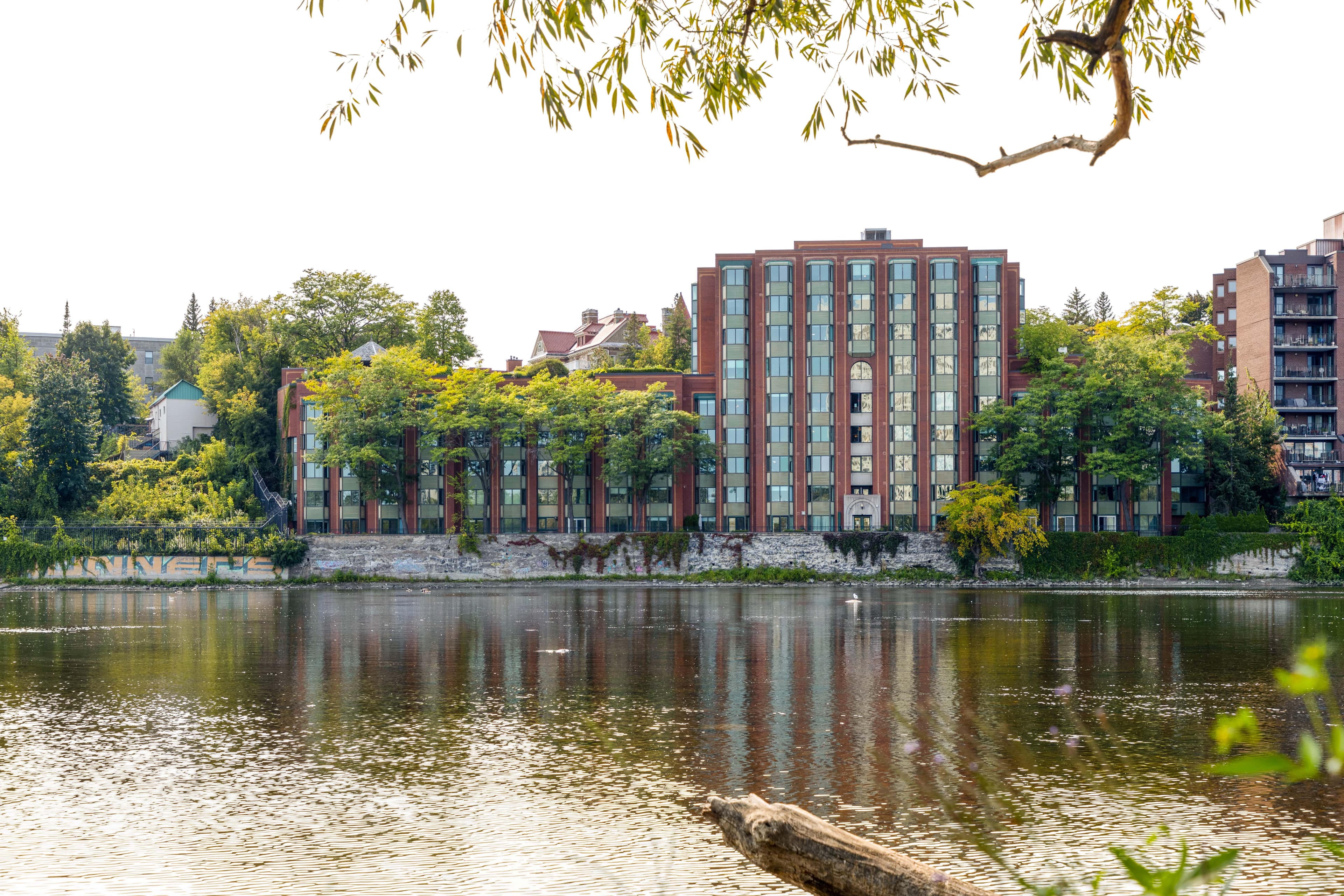
Riverflow Residences leases furnished self-contained studios and one-bedrooms at 550 Wilbrod Street in Sandy Hill, seven minutes' walk from uOttawa, from $1,400 to $1,920 a month, with lease terms on our students page. Whichever operator you choose, ask for an itemised list of what is and is not covered by the rent before you sign — that advice applies to us as much as to anyone else, and it is the only way the table above survives contact with a real lease.
The broader picture for international students, from permits to tenancy rights, is in our guide to renting in Ottawa as an international student.
Riverflow Residences welcomes all students and residents in full compliance with the Ontario Human Rights Code. Figures are drawn from the sources named and were current at publication; grocery, utility, phone and internet costs vary by provider and by month. Immigration requirements change — verify the current cost-of-living threshold with IRCC directly.